Tribal Tattoo Designs: A Complete Guide to Polynesian, Maori & Celtic Art
Explore the rich history and meaning behind tribal tattoos from Polynesia, Maori culture, and Celtic traditions. Learn how to design authentic tribal art with AI.
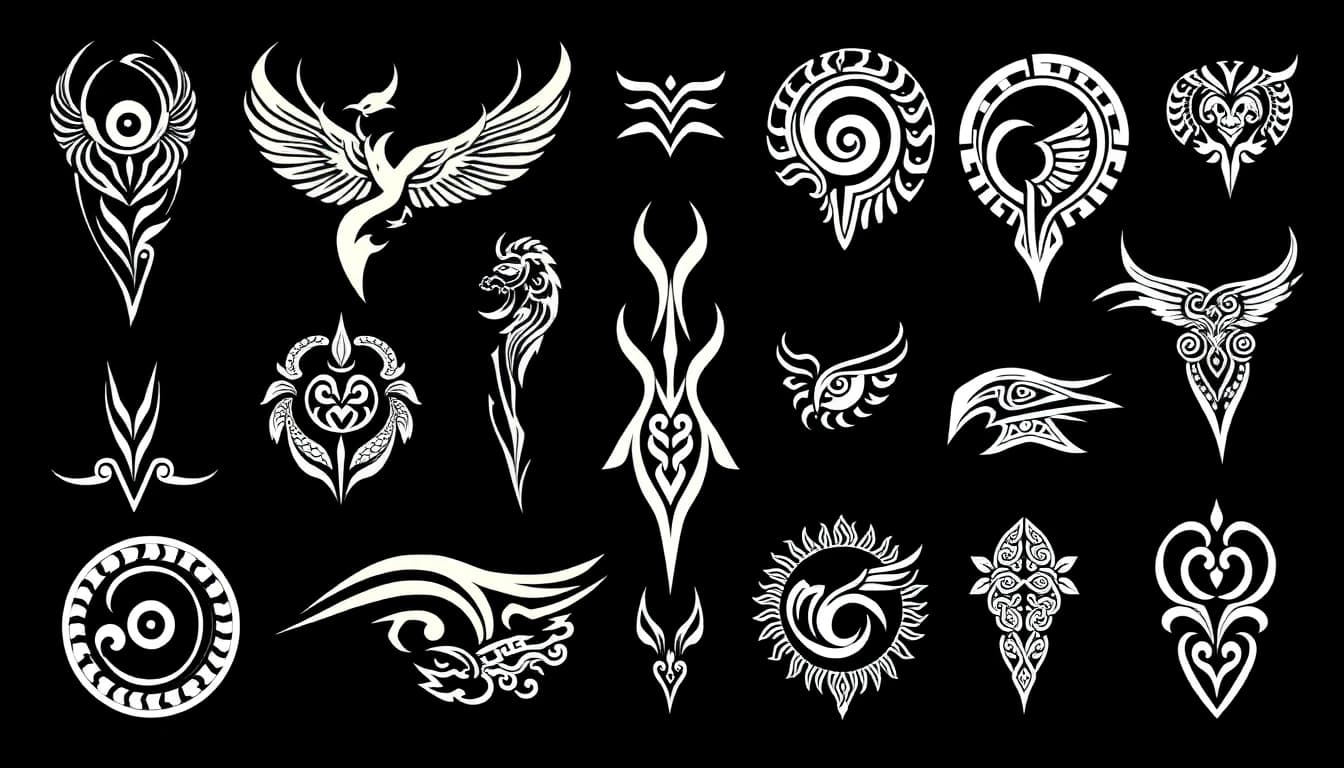
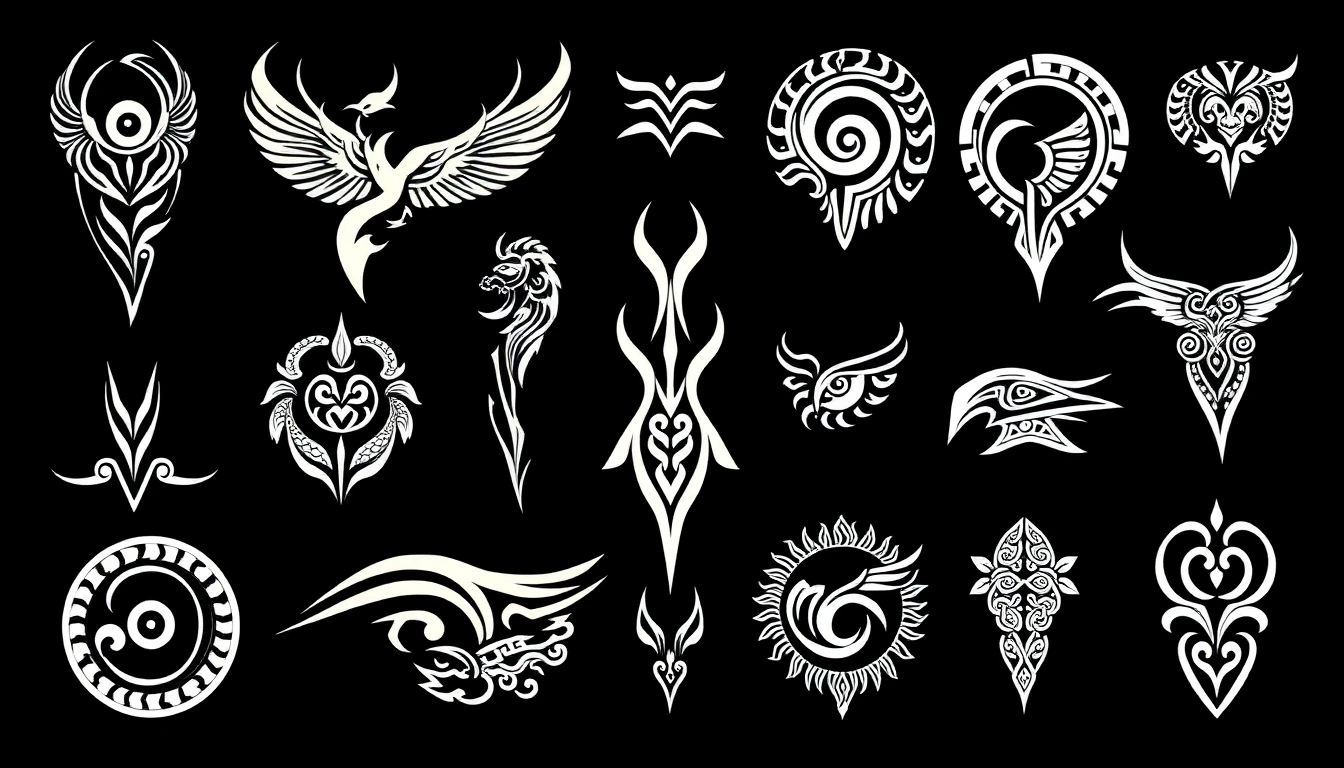
Tribal tattoos represent some of humanity's oldest art forms. For thousands of years, indigenous cultures across the globe have used body art to mark identity, celebrate achievements, and connect with spiritual traditions. Today, tribal tattoo designs remain among the most requested styles, blending ancient symbolism with modern aesthetics.
This comprehensive guide explores the major tribal tattoo traditions — Polynesian tattoos, Maori tattoos, and Celtic tattoos — along with practical guidance for designing your own tribal piece using AI technology.
The History and Significance of Tribal Tattoos
The word "tattoo" itself comes from the Polynesian word "tatau," reflecting the deep roots of this art form in Pacific Island cultures. Archaeological evidence suggests tattooing has been practiced for at least 5,000 years, with tribal markings serving crucial social functions:
- Identity markers: Indicating family lineage, social status, and tribal affiliation
- Rites of passage: Marking transitions from childhood to adulthood, or recognizing achievements
- Spiritual protection: Symbols believed to ward off evil spirits or invoke divine protection
- Historical records: Visual storytelling preserving personal and community histories
- Warrior status: Displaying battle experience, kills, or military rank
According to the Smithsonian Institution, tribal tattooing traditions developed independently across multiple continents, from the Pacific Islands to Northern Europe, from Africa to the Americas. This universal human impulse to mark the body speaks to deep psychological and social needs that transcend culture.
Polynesian Tattoo Traditions
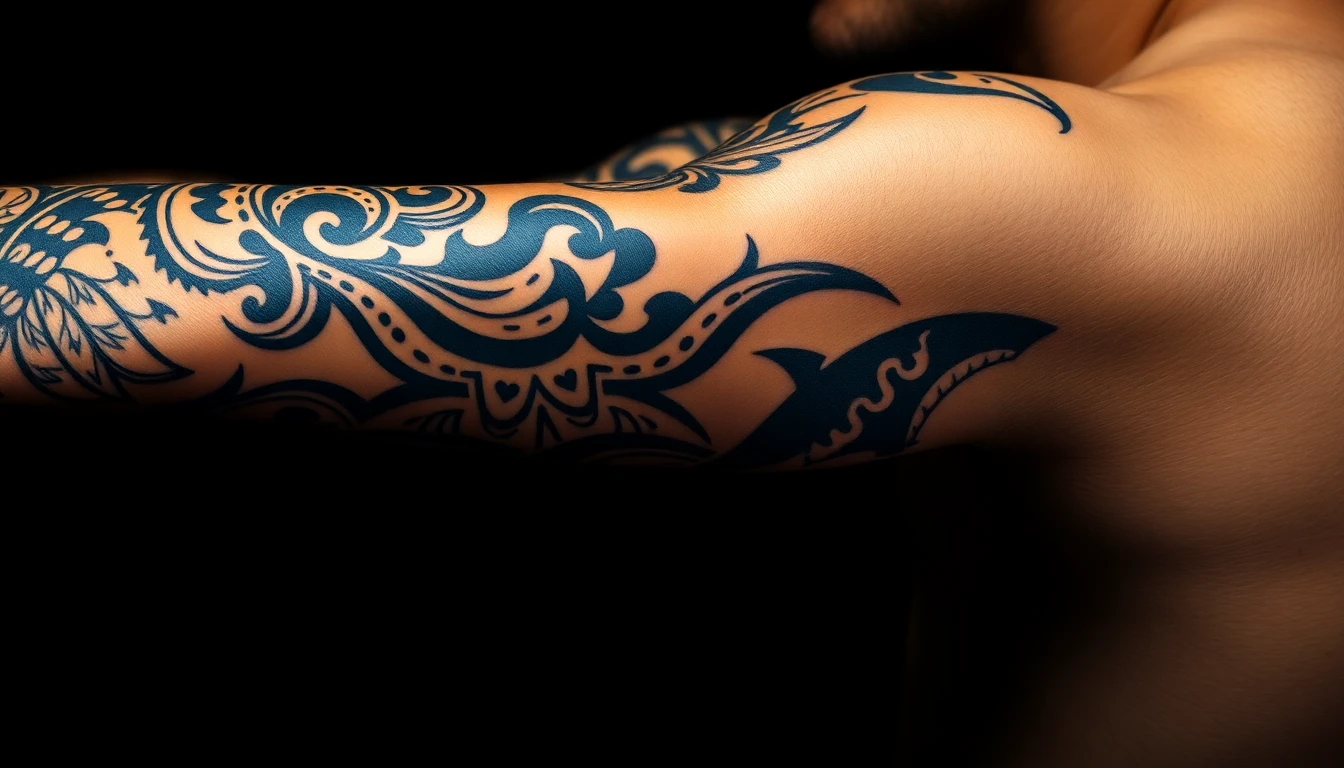
Polynesian tattoos encompass the traditions of numerous Pacific Island cultures, including Samoa, Tonga, Hawaii, Tahiti, and the Marquesas Islands. While each island group has distinct styles, they share common elements:
Samoan Tatau
The Samoan tatau tradition produces two main forms: the pe'a for men and the malu for women. The pe'a covers from waist to knee in dense geometric patterns, traditionally applied over several painful sessions using hand-tapping techniques. Receiving the pe'a marks a man's readiness to serve his community — abandoning the process brings shame.
Hawaiian Kakau
Hawaiian kakau traditionally served as protective talismans and personal identification. Common motifs include:
- Sharks teeth (niho mano): Protection, guidance, strength
- Turtles (honu): Longevity, peace, good luck
- Ocean waves: Life's journey, change, persistence
- Spearheads: Warrior spirit, courage
Marquesan Patterns
Marquesas Island tattoos are known for their bold, full-body coverage and distinctive patterns. The Marquesan cross and geometric face designs have heavily influenced modern tribal aesthetics.
Common Polynesian Symbols and Meanings
| Symbol | Meaning |
|---|---|
| Enata (Human Figure) | Ancestors, family, relationships |
| Tiki | Protection from evil, guardian spirits |
| Sun | Eternity, brilliance, leadership |
| Stingray | Protection, adaptation, gracefulness |
| Lizard (Mo'o) | Divine beings, protection, good fortune |
| Ocean | Life, abundance, world of ancestors |
Maori Ta Moko: The Art of Identity
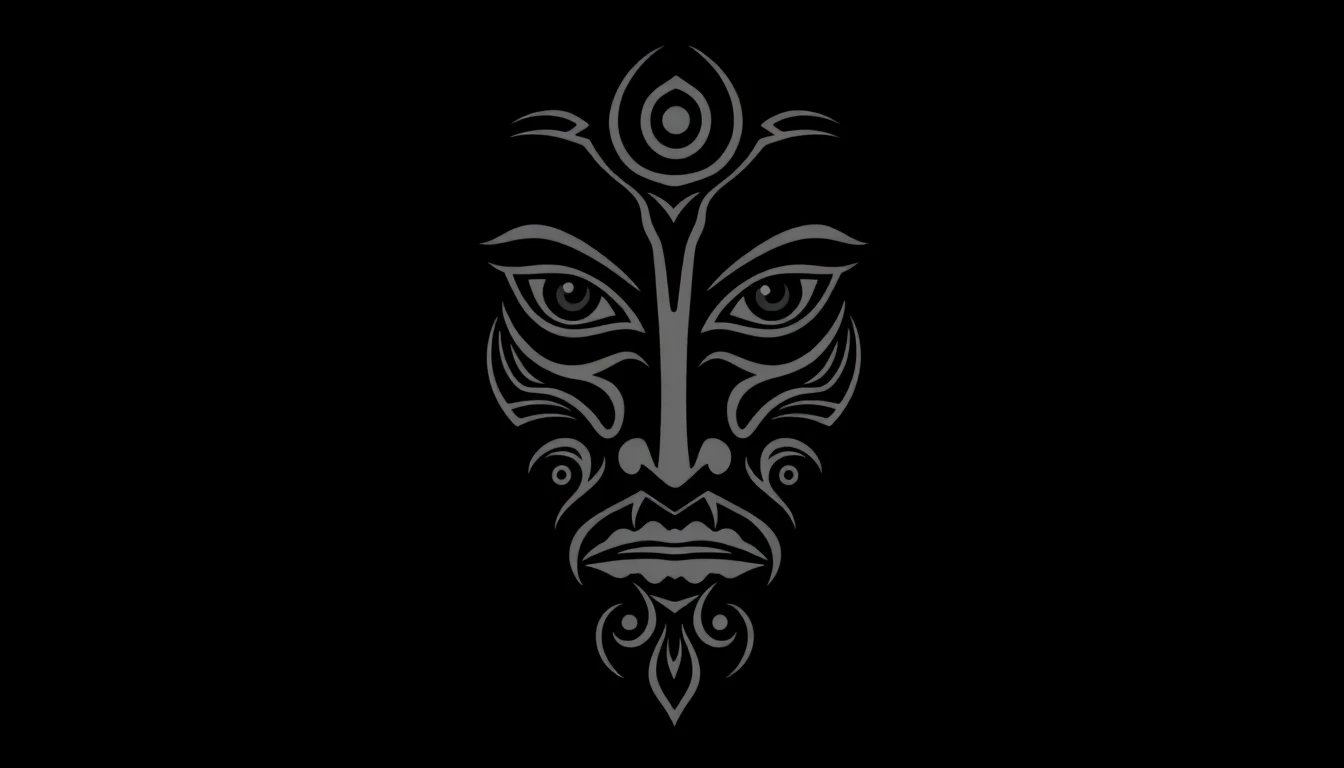
Maori tattoos, known as ta moko, hold special significance in New Zealand's indigenous culture. Unlike other tribal traditions where designs might be chosen from a catalog of symbols, each ta moko is uniquely designed to tell the wearer's personal story.
The Sacred Nature of Ta Moko
Ta moko is considered tapu (sacred) in Maori culture. Traditionally, receiving moko was a spiritual experience — the recipient would often fast beforehand, and the process involved prayers and rituals. The head, being the most sacred part of the body, was reserved for those of highest status.
Key Elements of Maori Design
- Koru (Spiral): Represents the unfurling fern frond — new life, growth, peace, and strength. The koru is perhaps the most recognizable Maori motif.
- Manawa (Heart): Symbolizes life journey, emotions, and the heart of the wearer
- Hikuaua: Fish tail patterns representing prosperity and abundance from the sea
- Pakati: Warrior symbol representing battles fought and courage shown
- Unaunahi: Fish scale patterns symbolizing health and abundance
Placement and Meaning
In traditional ta moko, placement carries meaning:
- Face (Moko Kanohi): Reserved for high-ranking individuals — each section tells part of the wearer's genealogy and life story
- Chin (Women's Moko): The moko kauae traditionally worn by Maori women of status
- Thighs and Buttocks: Tell stories of strength and personal achievements
- Arms: Often depict ancestry and social standing
For those interested in exploring different tattoo styles, Maori-inspired designs offer deep symbolism combined with bold visual impact.
Celtic Knotwork and Symbolism
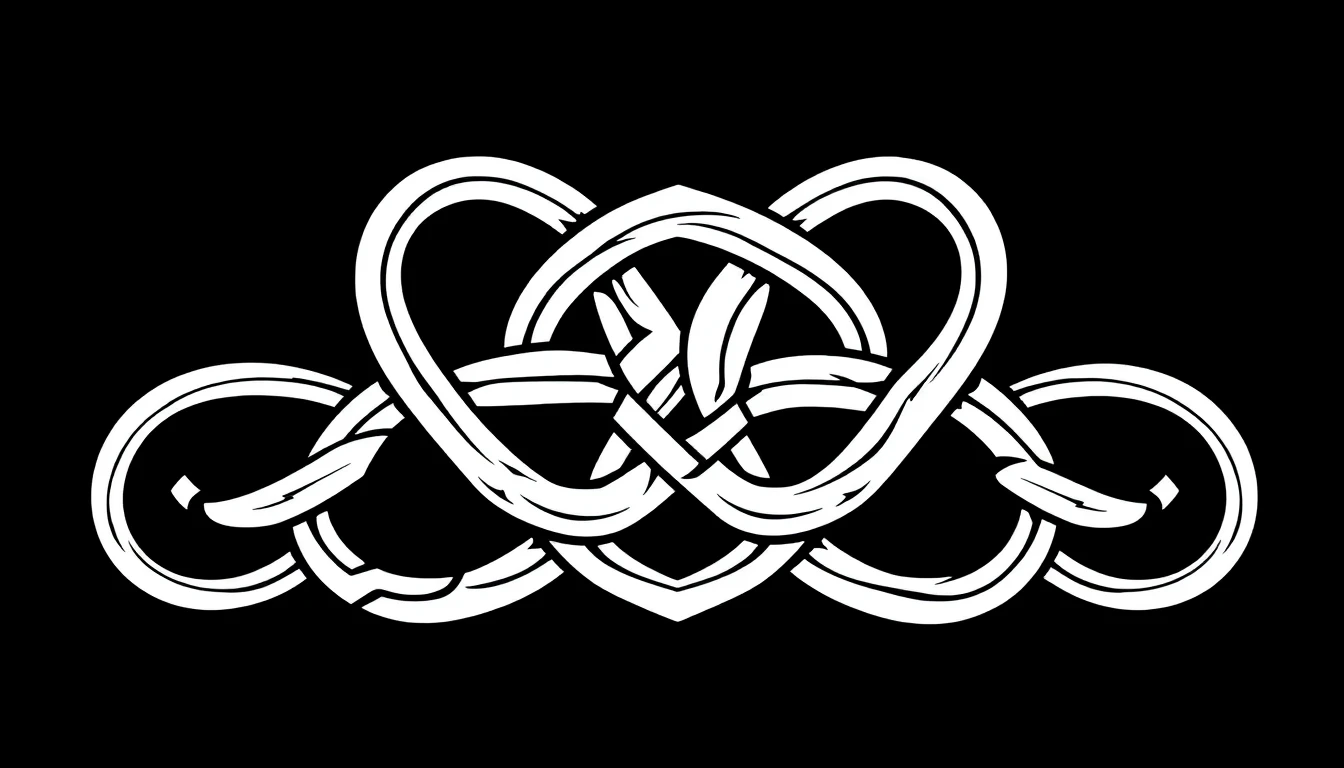
Celtic tattoos draw from the artistic traditions of ancient Ireland, Scotland, Wales, and Brittany. While we have limited direct evidence of ancient Celtic tattooing practices, the intricate knotwork patterns from Celtic art have become one of the most popular tribal styles worldwide.
Understanding Celtic Knotwork
Celtic knots are characterized by their continuous lines — paths that have no beginning or end, symbolizing eternity and the interconnected nature of life. According to the Encyclopedia Britannica, these patterns evolved from earlier La Tène culture designs and were refined by Celtic monks in illuminated manuscripts like the Book of Kells.
Popular Celtic Symbols
- Trinity Knot (Triquetra): Three interlocking arcs representing various trinities — Father/Son/Holy Spirit, maiden/mother/crone, or earth/sea/sky
- Celtic Cross: Combining the Christian cross with the sun circle, representing the meeting of old and new faiths
- Dara Knot: Derived from the oak tree root system, symbolizing strength and wisdom
- Quaternary Knot: Four-cornered design representing the four directions, seasons, or elements
- Claddagh: Heart, hands, and crown symbolizing love, friendship, and loyalty
- Tree of Life: Interconnected branches and roots symbolizing the connection between all living things
Celtic Animal Symbolism
Celtic art frequently incorporates stylized animals, each with specific meanings:
- Dragon: Power, wisdom, prophecy
- Raven: Transformation, protection, prophecy
- Stag: Independence, purification, pride
- Horse: Freedom, endurance, journey
- Wolf: Loyalty, family, intuition
- Salmon: Wisdom, knowledge, inspiration
Modern Tribal and Neo-Tribal Styles
The 1990s and 2000s saw an explosion of "tribal" tattoos in Western culture, though many designs strayed far from traditional meanings. Modern tribal and neo-tribal styles have evolved to include:
Blackwork Tribal
Heavy black designs that may incorporate elements from multiple cultural traditions or create entirely new geometric patterns. This style focuses on bold shapes, negative space, and dramatic visual impact.
Fusion Tribal
Combinations of tribal elements with other styles — biomechanical tribal, realistic tribal, or tribal with color accents. These designs appeal to those wanting tribal aesthetics without specific cultural references.
Geometric Tribal
Modern interpretations using precise geometric shapes and patterns to create tribal-inspired designs. These often incorporate sacred geometry, mandalas, or contemporary abstract elements.
Tribal Sleeves and Large Pieces
For those considering extensive tribal work, our guide on planning your sleeve tattoo offers valuable insights on designing cohesive large-scale pieces.
Designing Your Tribal Tattoo
Creating a meaningful tribal tattoo design requires balancing visual aesthetics with personal significance. Here's how to approach the design process:
Define Your Intent
Ask yourself key questions:
- What story do you want your tattoo to tell?
- Do you have heritage connections to specific tribal traditions?
- Are you drawn to specific symbols or meanings?
- Do you want traditional authenticity or modern interpretation?
- How will this design fit with existing or future tattoos?
Research Thoroughly
If you're drawn to a specific tradition, invest time in understanding it:
- Study the symbolism and cultural context
- Learn which elements are sacred or restricted
- Understand placement significance
- Find artists who specialize in that tradition
Consider the Flow
Tribal designs should complement body anatomy. The best tribal tattoos:
- Follow the natural contours of muscles
- Enhance body shape rather than fighting it
- Consider how the design moves with the body
- Account for how skin stretches in different areas
Balance and Symmetry
Many tribal traditions emphasize balance. Consider whether your design should be:
- Symmetrical across the body's centerline
- Asymmetrical but visually balanced
- Part of a larger symmetrical composition
- Stand-alone with internal balance
Best Placements for Tribal Work
Traditional tribal placements have evolved, but certain areas remain popular for their visual impact and cultural significance:
Upper Arm and Shoulder
Classic placement for tribal bands, quarter sleeves, and shoulder caps. The rounded deltoid muscle provides an excellent canvas for curved tribal patterns. This location offers versatility — easily shown or covered.
Full and Half Sleeves
Tribal sleeves allow for complex storytelling and dramatic visual impact. Half sleeves (shoulder to elbow) are popular for those wanting significant coverage while maintaining professional flexibility. For detailed guidance, check our tattoo placement guide.
Back and Chest
Large tribal back pieces make powerful statements. Chest plates, often extending to shoulders, follow traditional Polynesian placement. These areas allow for the most detailed and expansive designs.
Leg Placements
The calf and thigh provide excellent surfaces for tribal work. Traditional Samoan pe'a covers the legs extensively, though modern interpretations might focus on specific areas.
Forearm
Increasingly popular for tribal bands and half-sleeves. The forearm's visibility makes it ideal for meaningful designs you want to see regularly.
Cultural Respect and Appropriation
The question of cultural appropriation in tribal tattoos requires thoughtful consideration. Here's a balanced approach:
Understanding the Concerns
For many indigenous peoples, their tattoo traditions are:
- Sacred spiritual practices, not just decoration
- Earned through specific life achievements or birthright
- Connected to living cultural traditions
- Part of their identity that was historically suppressed
When outsiders adopt these designs casually, it can feel disrespectful — reducing sacred symbols to fashion accessories.
Respectful Approaches
If you're drawn to tribal traditions outside your heritage:
- Learn the culture: Understand what the symbols mean and their cultural context
- Avoid sacred elements: Some symbols are restricted to certain people or achievements
- Work with cultural practitioners: When possible, consult artists from that tradition
- Consider modern interpretations: Neo-tribal designs inspired by traditions without copying sacred elements
- Be honest about your connection: Don't claim heritage you don't have
Creating Personal Tribal Art
You can create meaningful tribal-style tattoos without appropriation by:
- Developing personal symbols that tell your own story
- Using geometric patterns without specific cultural claims
- Exploring your own ancestral traditions
- Working with artists to create original designs inspired by tribal aesthetics
Similar considerations apply to other cultural tattoo styles. Our guide on Japanese tattoo meanings discusses respectful approaches to that tradition.
Creating Tribal Designs with AI
AI tattoo generators offer powerful tools for exploring tribal tattoo designs. Here's how to get the best results:
Effective Prompts for Tribal Designs
When generating tribal designs with AI tattoo tools, be specific about style:
- For Polynesian: "Polynesian tribal tattoo with ocean waves, turtle shell patterns, and shark teeth motifs"
- For Maori: "Maori-inspired design with koru spirals and curved patterns for arm placement"
- For Celtic: "Celtic knotwork design with trinity knots and interwoven patterns, no beginning or end"
- For Modern: "Bold blackwork tribal design with geometric patterns and sharp angles for shoulder cap"
Iterative Design Process
Use AI to:
- Generate multiple variations of your concept
- Explore different symbol combinations
- Test various placements using body preview
- Refine proportions and flow
- Create reference images for your tattoo artist
From AI to Final Tattoo
Remember that AI-generated designs are starting points:
- Share your favorites with a qualified tribal tattoo artist
- Discuss cultural considerations and authenticity
- Allow the artist to adapt the design for your body
- Expect refinement to improve flow and execution
Browse our full tattoo styles gallery to see how tribal designs compare to other options.
Finding the Right Tribal Tattoo Artist
Not all tattoo artists excel at tribal work. Look for:
Technical Skills
- Solid black saturation: Tribal requires deep, consistent black ink
- Clean lines: Especially important for geometric patterns
- Understanding of flow: How designs wrap around body contours
- Negative space mastery: Skin breaks are crucial in tribal design
Cultural Knowledge
- Does the artist understand the traditions they're working with?
- Do they have training or connection to specific cultural practices?
- Can they explain the meaning behind their designs?
- Do they refuse inappropriate requests?
Portfolio Review
Examine their previous tribal work for:
- Healed results, not just fresh tattoos
- Consistent line weight
- Proper placement and flow
- Variety showing versatility
Common Mistakes to Avoid
Choosing random symbols: Don't pick symbols purely for aesthetics without understanding meaning. You might unintentionally wear something inappropriate or meaningless.
Ignoring placement: Tribal designs that fight body anatomy look awkward. Work with your body's natural lines.
Going too small: Tribal designs often need scale to work properly. Too small, and the bold lines become muddy blobs over time.
Mixing incompatible styles: While fusion can work beautifully, randomly combining Maori spirals with Celtic knots can look confused rather than intentional.
Skipping research: Taking the first design you see online risks getting something culturally inappropriate, poorly designed, or widely duplicated.
Rushing the process: Large tribal pieces require planning. Don't rush into something that will be with you forever.
Caring for Tribal Tattoos
Tribal tattoos, with their heavy black coverage, require proper care to heal well and maintain their bold appearance:
During Healing
- Follow your artist's specific aftercare instructions
- Keep the area clean and moisturized
- Avoid sun exposure during healing
- Don't pick at scabs — this can cause uneven healing in solid black areas
- Large tribal pieces may take longer to heal due to ink saturation
Long-Term Maintenance
- Use high-SPF sunscreen to prevent fading
- Maintain skin hydration
- Consider touch-ups every few years for heavily-covered areas
- Monitor for any ink migration or blur over time
Summary: Your Tribal Tattoo Journey
Tribal tattoos connect us to humanity's oldest artistic traditions while offering bold, timeless aesthetics. Whether you're drawn to Polynesian patterns, Maori symbolism, Celtic knotwork, or modern tribal interpretations, the key is approaching your design with intention and respect.
Remember:
- Research the traditions that interest you
- Consider cultural significance and appropriation concerns
- Work with qualified artists who understand tribal work
- Use AI tools to explore concepts and visualize placement
- Take time to develop a design that tells your story
- Commit to proper healing and long-term care
The best tribal tattoos aren't just visually striking — they carry meaning, honor tradition, and become part of your identity. With thoughtful planning and skilled execution, your tribal tattoo can connect you to ancient art while expressing who you are today.
Design Your Tribal Tattoo
Generate custom Polynesian, Maori, Celtic, or modern tribal designs with AI. Explore ancient patterns reimagined for your vision.


Written by
INK Editorial
Turn this idea into ink
Generate unique tattoo designs, preview placements, and export in HD. No guesswork — just better concepts.
Start designing freeMore reads
All articles
How AI Tattoo Generators Actually Work (And How to Use Them)
Everything you need to know about using AI to design your next tattoo - from text prompts to photo uploads to trying designs on your body.
The Best AI Tattoo Apps in 2025 (Honest Comparison)
We tested all the major AI tattoo generator apps and compared their features, quality, and pricing. Here's what we found.
Are Free AI Tattoo Generators Actually Good?
The truth about free AI tattoo tools - what you actually get, what the catch is, and whether paying makes sense.