Where to Get a Tattoo: The Complete Placement Guide
Find the perfect spot for your next tattoo based on pain tolerance, visibility needs, and design size.
Choosing where to get a tattoo is just as important as choosing the design itself. The right placement enhances your artwork, fits your lifestyle, and makes the tattooing experience more manageable. The wrong placement can mean hiding a design you love, dealing with more pain than necessary, or watching your tattoo distort as your body changes.
This guide covers everything about tattoo placement — from pain levels at different body locations to visibility considerations for work, from aging and movement factors to how AI can help you preview designs in different spots before committing.
Pain Levels by Body Location
Let's address the question everyone asks first: how much is this going to hurt? Pain tolerance varies by person, but certain areas are consistently more sensitive due to nerve density, proximity to bone, and skin thickness.
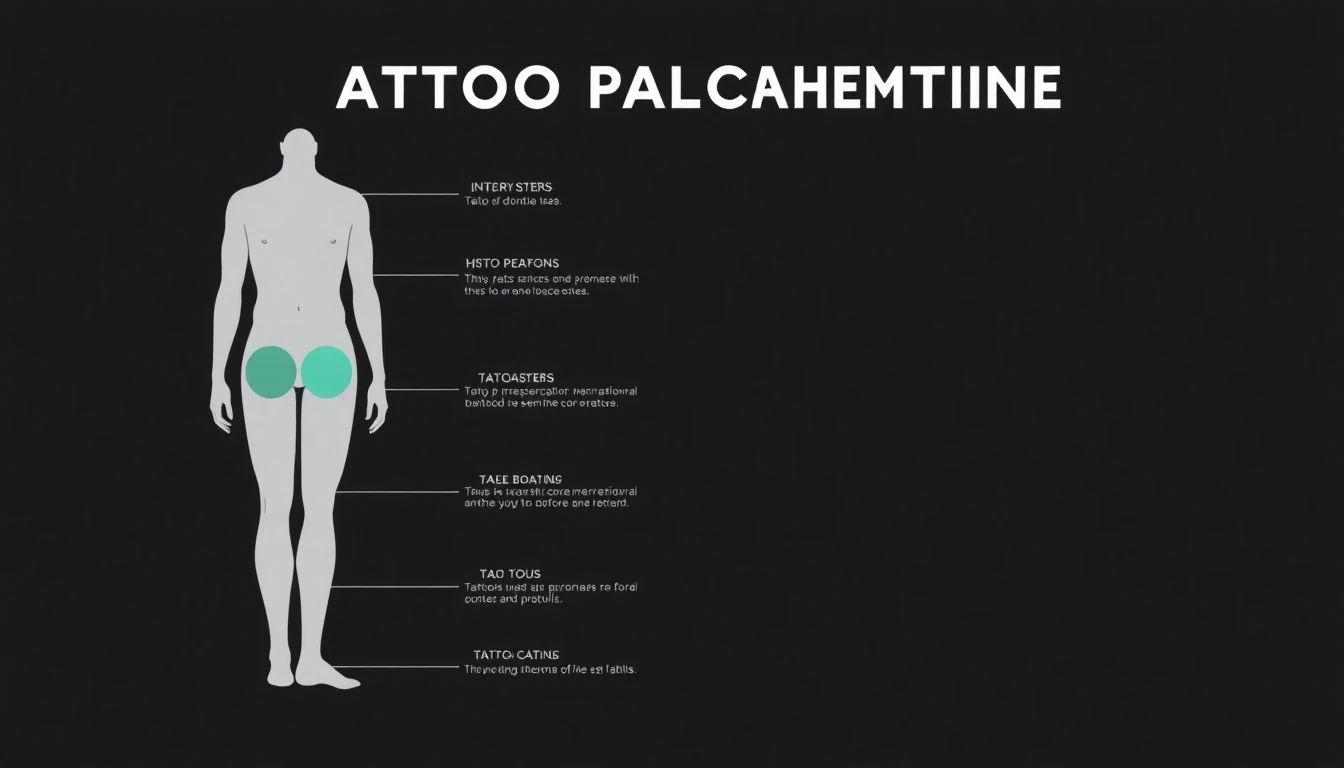
Low pain areas (good for first tattoos):
- Outer upper arm: Thick muscle, few nerves — one of the easiest spots
- Thigh (outer): Lots of muscle and fat padding, very manageable
- Calf: Muscular area with good padding
- Forearm (outer): Relatively painless, easily visible
- Upper back: Thick skin, away from spine
Medium pain areas:
- Shoulder: Manageable but can hit bone at the shoulder blade
- Inner forearm: Thinner skin, more sensitive than outer arm
- Lower leg: Gets more sensitive near ankle
- Chest (outer): Varies based on proximity to sternum
High pain areas (not recommended for beginners):
- Ribs: Little padding over bone, lots of nerve endings
- Spine: Direct bone contact, extremely sensitive
- Inner bicep: Thin skin, sensitive tissue
- Elbow: Bone and sensitive nerve clusters
- Knee: Similar issues to elbow
- Feet: Thin skin, many nerves, movement makes healing difficult
- Hands: Thin skin, heavy use means faster fading
- Neck: Sensitive and visible — requires commitment
According to tattoo pain research, areas with more fat, muscle, and thicker skin generally hurt less because there's more cushion between the needle and nerve endings.
Arm Tattoo Placements
Arms are the most popular tattoo placement for good reason — they're visible when you want, concealable when you need, and offer a natural canvas that flows with your body's movement.
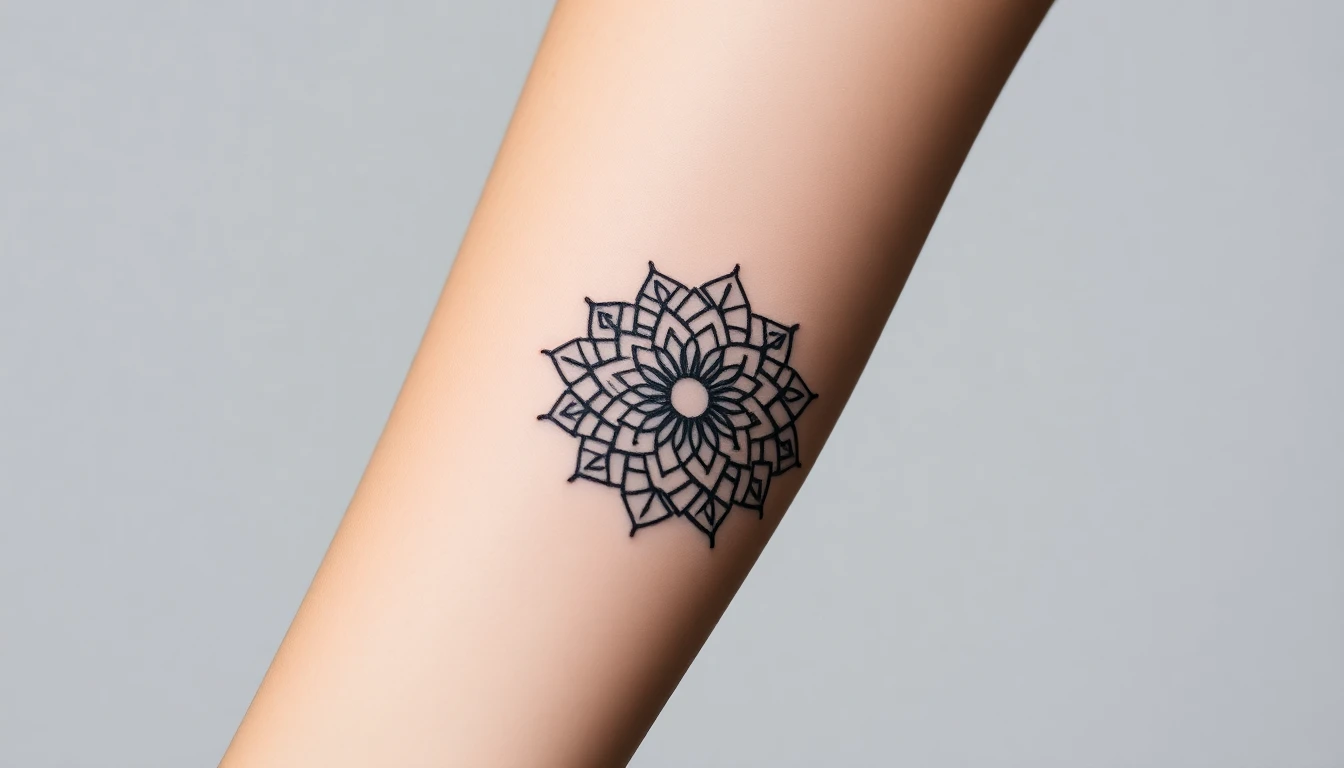
Upper arm (bicep/tricep):
- Easy to cover with short sleeves
- Moderate pain, especially outer arm
- Good canvas for medium to large pieces
- Natural starting point for sleeve builds
- Ages well due to consistent skin elasticity
Forearm:
- Highly visible — you'll see it constantly
- Professional considerations in some fields
- Great for designs you want to admire
- Relatively low pain
- Popular for quotes, geometric patterns, and nature themes
Inner arm:
- More private — visible mainly to you
- Sensitive skin, higher pain
- Great for meaningful personal designs
- Fades slightly faster due to friction
If you're considering building toward a full sleeve tattoo, start with placement that allows natural extension.
Back and Shoulder Placements
The back offers the largest canvas on the human body, while shoulders provide a natural frame for flowing designs.
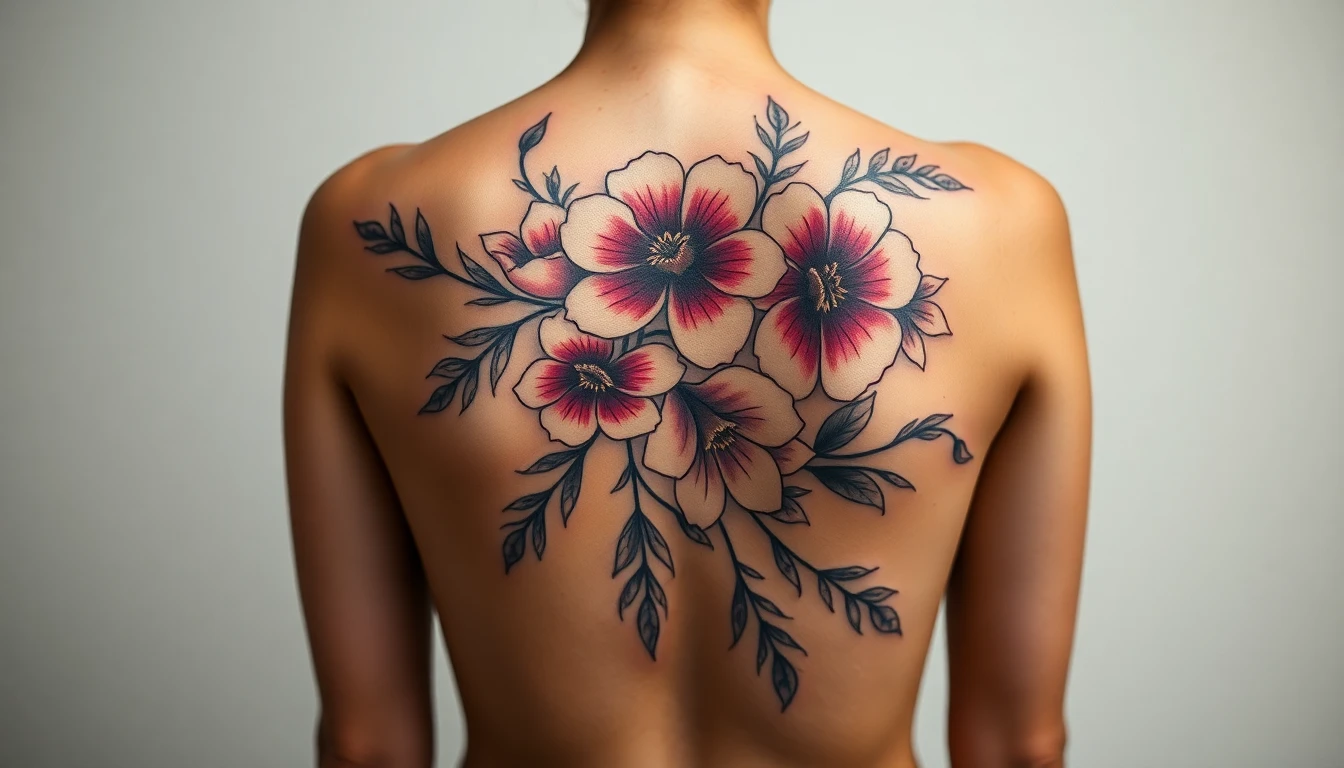
Upper back:
- Large, flat surface for detailed work
- Easy to hide under most clothing
- Moderate pain — increases near spine
- Ages well due to stable skin
- Popular for wings, mandalas, and large scene work
Shoulder blade:
- Great framing for circular and organic designs
- Visible in tank tops and swimwear
- Moderate pain — bone proximity varies
- Natural extension into arm or down back
Lower back:
- Larger canvas area
- Consider: spinal epidurals may be complicated (discuss with doctor)
- Moderate pain — increases toward spine
- Hidden by most clothing
Full back:
- Major commitment — weeks or months of sessions
- Canvas for elaborate, narrative designs
- Investment of thousands of dollars
- See our tattoo pricing guide for budgeting
Best Spots for Small Tattoos
Small, delicate tattoos have their own ideal placements. The best place for first tattoo is often a small piece in a low-pain, easily visible area.
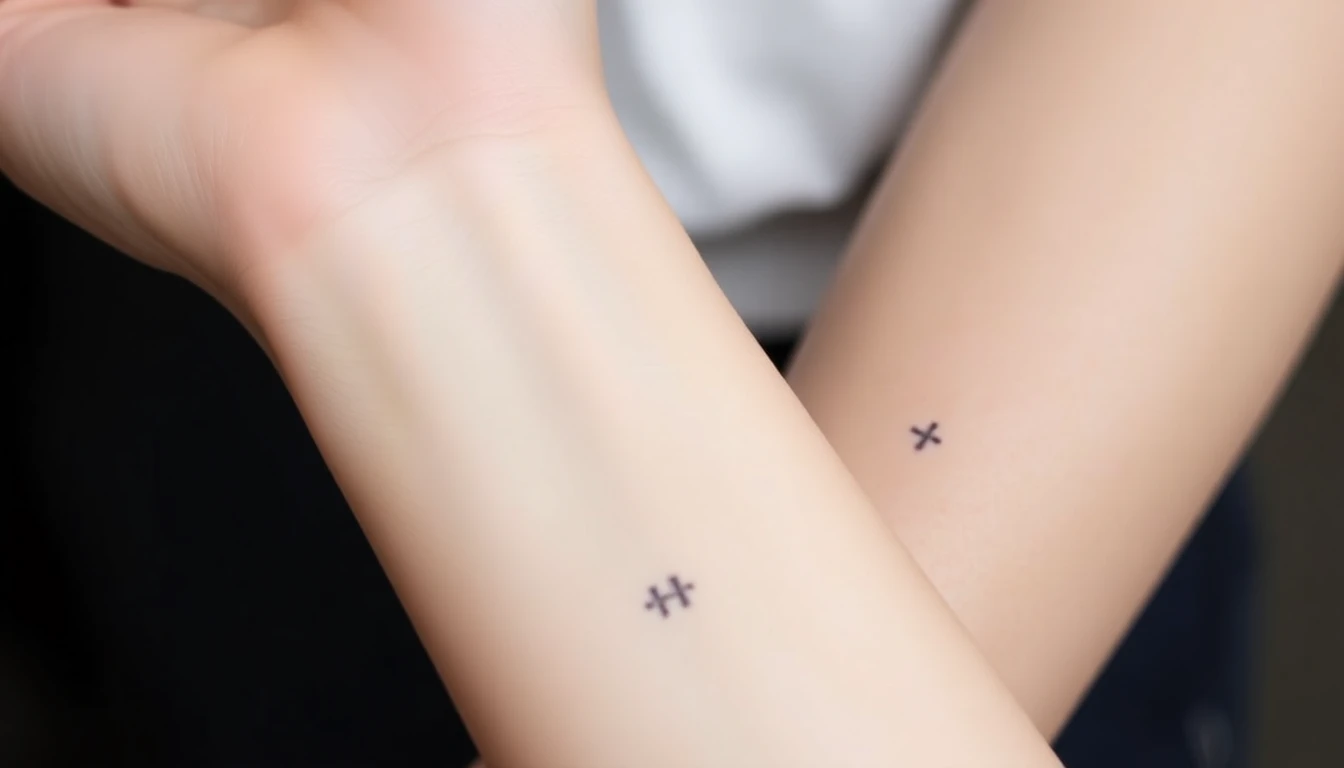
Wrist:
- Highly visible — you'll see it all day
- Easy to show off or cover with a watch/bracelet
- Moderate pain on inner wrist
- Popular for symbols, small words, simple designs
Ankle:
- Discrete but showable with certain footwear
- Higher pain — thin skin over bone
- Fades faster due to friction with shoes/socks
- Great for small botanicals, symbols
Behind the ear:
- Very discrete — hair typically covers it
- Moderate pain — cartilage nearby
- Tiny designs only — limited space
- Popular for symbols, tiny shapes, initials
Finger:
- Very visible but small
- HIGH fade rate — hands regenerate skin quickly
- May need touch-ups every few years
- Moderate to high pain
Collarbone:
- Elegant, visible with certain necklines
- Higher pain — bone proximity
- Great for script, delicate florals
- Popular first tattoo spot for women
Visibility and Career Considerations
Before choosing where to get a tattoo, consider your professional life and personal preferences for visibility:
Always visible (short sleeves and above):
- Forearm, hands, neck, face
- May impact job opportunities in conservative industries
- Many workplaces have relaxed tattoo policies
- Growing acceptance in most fields
Sometimes visible (can be hidden with clothing):
- Upper arm, lower leg, shoulders
- Perfect balance for most professionals
- Show off when appropriate, hide when necessary
Rarely visible:
- Back, chest, thigh, ribs
- Private and personal
- No professional concerns
- You choose when to reveal
According to Pew Research, around 32% of Americans have at least one tattoo, and workplace acceptance continues to grow.
How Tattoos Age by Placement
Different body areas age differently based on skin changes, sun exposure, and physical wear:
Ages well:
- Upper arm and shoulder — stable skin, limited stretching
- Upper back — protected from sun, stable area
- Thigh — usually covered, good skin thickness
May require touch-ups:
- Forearm — sun exposure fades colors faster
- Lower leg — friction from clothing
- Chest — skin changes with muscle/weight fluctuation
Faster fading:
- Hands — constant washing and skin regeneration
- Fingers — highest fade rate of any body part
- Feet — friction and moisture issues
- Inner elbow/knee — constant flexing
Weight and muscle changes:
- Stomach and sides stretch significantly with weight changes
- Upper arms can distort with major muscle building
- Thighs may stretch with significant weight fluctuation
- Back remains relatively stable
Using AI to Preview Placements
This is where ai tattoo placement tools become incredibly valuable. Instead of imagining how a design might look on different body parts, you can actually see it.
How AI placement preview works:
- Upload a photo of yourself (the body area you're considering)
- Generate or upload your tattoo design
- Place the design on your body digitally
- Adjust size, angle, and exact positioning
- See how it looks before any needles touch skin
Benefits of AI placement preview:
- Try the same design on multiple body parts
- See how size affects impact
- Test visibility in different positions
- Share previews with friends or your tattoo artist
- Avoid the regret of wrong placement
Use our AI tattoo generator to create designs and preview them on your body. Seeing a design in place often completely changes your perspective on placement.
Best Placements for Your First Tattoo
If you're new to tattoos, here are the recommended best place for first tattoo options:
Top 5 first tattoo placements:
- Outer upper arm: Low pain, easy to hide, good for medium designs
- Outer thigh: Very low pain, large canvas, completely hideable
- Calf: Low pain, visible when you want, easy to cover
- Upper back (off-spine): Moderate pain, large canvas, hidden under most clothing
- Outer forearm: Low pain, visible, makes a statement
Placements to avoid for first tattoos:
- Ribs — one of the most painful areas
- Spine — intense pain, difficult positioning during tattoo
- Hands and feet — high pain, fast fading
- Face and neck — major commitment, professional implications
- Inner elbow — painful and tricky healing due to movement
Matching Placement to Design Type
Different designs work better in different spots:
Long, flowing designs (snakes, dragons, vines):
- Arms — can wrap around naturally
- Legs — follow the natural form
- Spine — vertical flow
- Ribs to hip — dramatic diagonal flow
Circular designs (mandalas, roses, portraits):
- Shoulder blade — natural circular frame
- Upper arm — classic placement
- Thigh — larger canvas for detailed work
- Chest — centered or off-center
Small symbols and script:
- Wrist — daily visibility
- Ankle — subtle and personal
- Collarbone — elegant and discrete
- Behind ear — hidden but meaningful
Large scene work:
- Full back — the ultimate canvas
- Full sleeve — narrative storytelling down the arm
- Full leg — thigh to ankle
- Chest piece — dramatic statement
Browse our tattoo styles gallery to see how different designs work with different placements.
Final Placement Tips
Before making your final decision on where to get a tattoo:
- Live with it first: Draw the design on yourself or use AI preview for a few days
- Consider your wardrobe: What clothes will show or hide it?
- Think long-term: Career changes, body changes, aging
- Ask your artist: They know how designs work on different body parts
- Start conservatively: You can always add more tattoos in more visible spots later
The perfect placement is where your design looks its best, fits your lifestyle, and gives you the experience you're ready for. Take your time deciding — this is permanent art on your body, and getting the placement right is just as important as getting the design right.
Preview Your Tattoo Placement
See exactly how your design will look on any body part before you commit. Try unlimited placements with AI.


Written by
INK Editorial
Turn this idea into ink
Generate unique tattoo designs, preview placements, and export in HD. No guesswork — just better concepts.
Start designing freeMore reads
All articles
Are Free AI Tattoo Generators Actually Good?
The truth about free AI tattoo tools - what you actually get, what the catch is, and whether paying makes sense.

How to Describe Your Tattoo Idea to AI (And Get Great Results)
Master the art of writing prompts that translate your vision into stunning AI-generated tattoo designs.

Turn Your Photos Into Tattoo Designs
Learn how to transform your favorite photos into beautiful, ink-ready tattoo artwork using AI technology.