How AI Tattoo Generators Actually Work (And How to Use Them)
Everything you need to know about using AI to design your next tattoo - from text prompts to photo uploads to trying designs on your body.
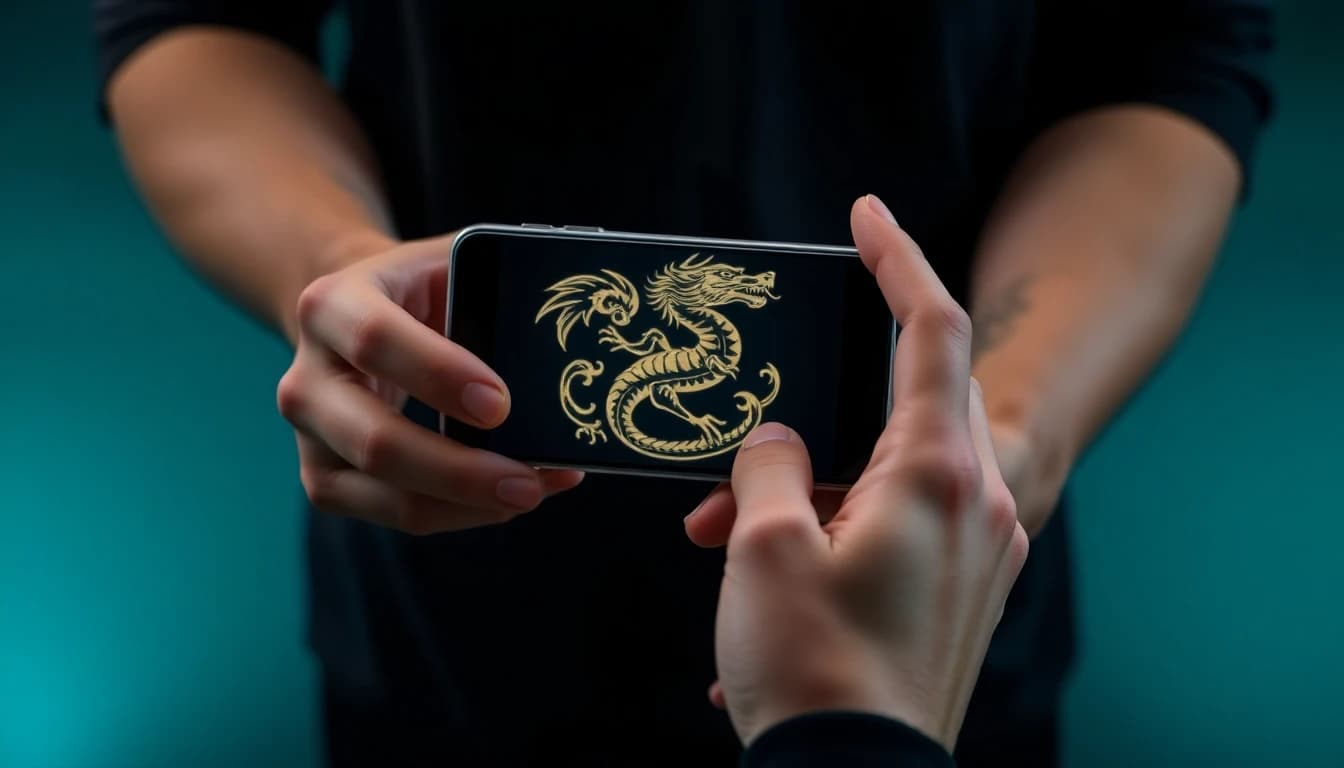
Thinking about your first tattoo? Or maybe you're a seasoned collector looking for something truly unique? Either way, you've probably noticed that designing the perfect piece isn't as simple as picking a flash design off a wall anymore. With millions of possible designs, styles, and placement options, the process can feel overwhelming. That's where AI tattoo generators enter the picture — and they've completely transformed how people approach getting inked.
Whether you're searching for "ai tattoo generator," "tattoo ai," or "ai tattoo design," this guide will walk you through everything you need to know about using artificial intelligence to create custom tattoo artwork. We'll explore how these tools work, what makes them different from traditional design methods, and how to get the absolute best results from your AI tattoo experience.
What Is an AI Tattoo Generator, Anyway?
At its core, an AI tattoo generator is a sophisticated piece of software that uses machine learning to create visual artwork based on your input. Unlike traditional design software where you manually draw or manipulate images, AI generators interpret your descriptions or uploaded photos and produce original designs in seconds.
The technology behind tattoo artificial intelligence has evolved dramatically over the past few years. Modern AI models, built on neural network architectures, have been trained on millions of images, learning the intricate details of various art styles, composition rules, and what makes a tattoo design both visually striking and technically feasible for actual ink work.
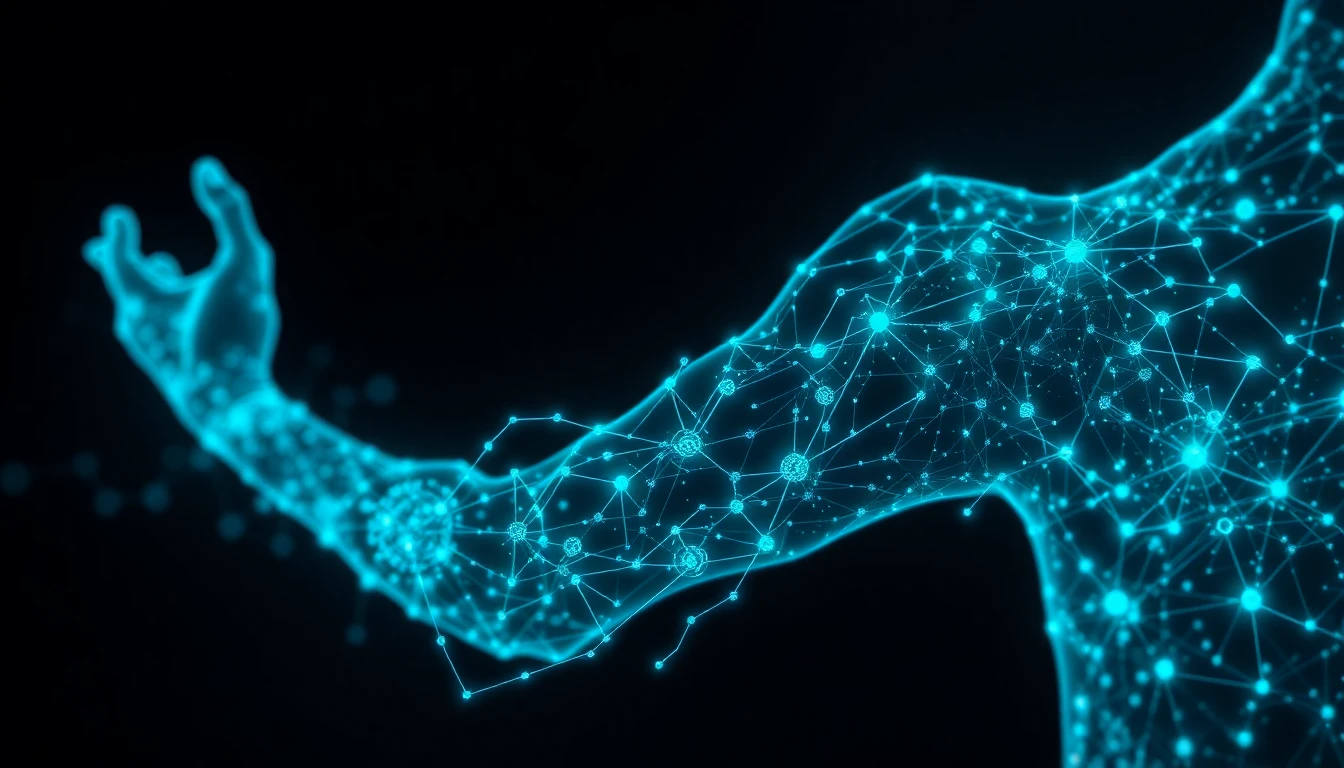
What sets a good ai tattoo creator apart from generic image generators is specialization. The best tools are specifically optimized for tattoo art, understanding factors like:
- How ink settles into skin over time
- Which line weights work best for different body placements
- How colors translate from screen to actual tattoo
- Traditional tattoo composition rules that make designs "read" well
The Tech Behind the Magic (How Neural Networks Create Art)
When you type a description into an ai tattoo maker, you're triggering a complex process that happens in milliseconds. The neural network — essentially a computer system modeled after the human brain — breaks down your text into concepts it can understand.
Let's say you type "a fierce dragon wrapped around a samurai sword." The AI recognizes several key elements: dragon (with associated imagery of scales, fire, claws), samurai sword (katana shape, guard details, wrapping), the action of "wrapped around," and the emotional quality "fierce." It then synthesizes these elements into a cohesive visual design.
The magic of modern tattoo ai is that it doesn't just copy and paste existing images. It generates entirely new artwork that never existed before. Each dragon it creates is unique. Each composition is original. This means the design you receive is truly one-of-a-kind — something no one else will have.
Understanding this process helps explain why prompt writing is so important. The more specific and descriptive your input, the better the AI can interpret your vision. Vague prompts produce generic results; detailed prompts produce stunning, personalized designs. For a deep dive into crafting the perfect prompt, check out our guide on how to describe your tattoo idea to AI.
Creating Tattoos from Text Descriptions
The text-to-tattoo feature is where most people start their AI tattoo journey. It's intuitive: you describe what you want, and the ai tattoo design tool brings it to life. But there's an art to writing effective prompts that many beginners miss.
Think of prompting like giving directions to an incredibly talented artist who speaks a slightly different language. You need to be clear, specific, and comprehensive. Here's what makes a great tattoo prompt:
Subject description: What's the main element? Be specific about details. Instead of "wolf," try "alpha wolf with piercing yellow eyes, howling at a crescent moon."
Style specification: Tattoo styles vary dramatically. Specify if you want traditional American, Japanese irezumi, fine line, geometric, blackwork, watercolor, neo-traditional, or any other style. Explore our complete style guide to see examples of each.
Mood and emotion: Words like "fierce," "serene," "mysterious," "playful," or "somber" help the AI understand the feeling you're going for.
Composition notes: Mention if you want the design circular, vertical, flowing, contained within a shape, or with specific background elements.
Turning Your Photos into Tattoo Designs
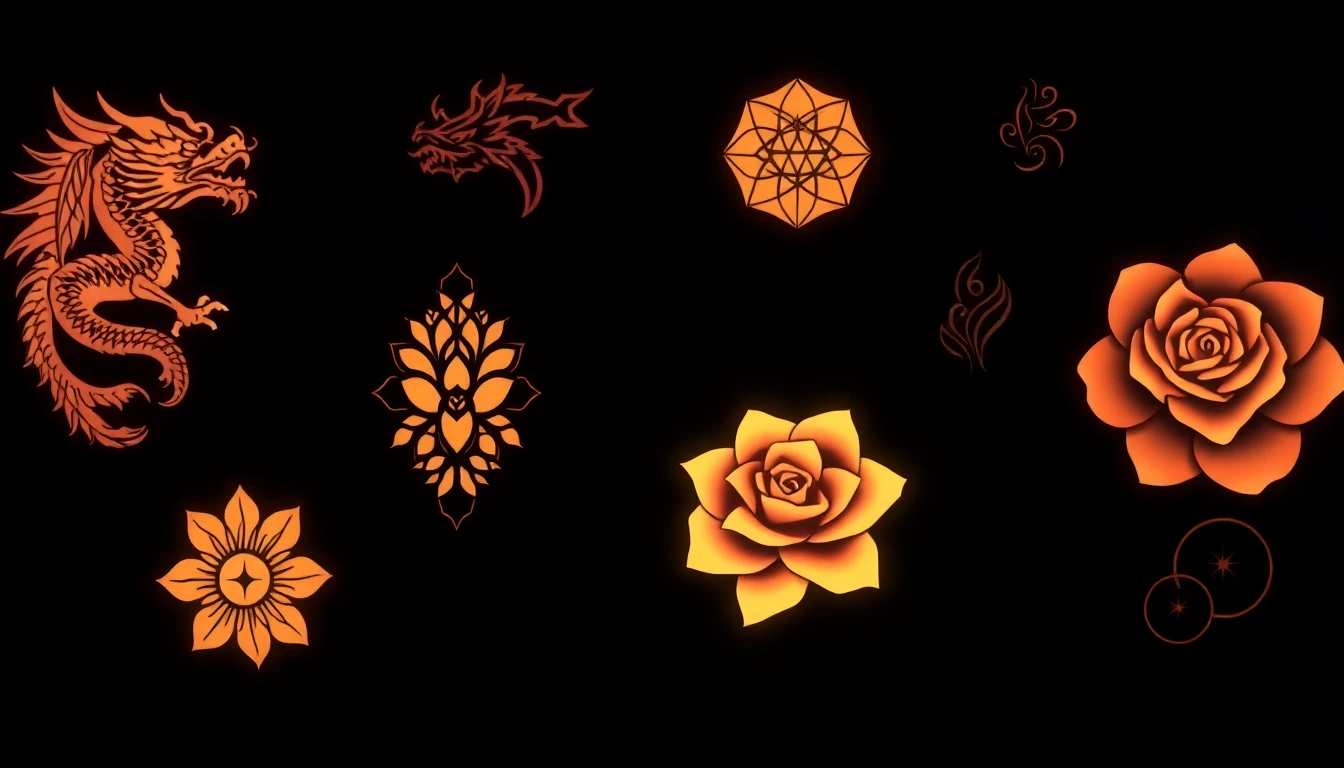
One of the most powerful features of modern ai tattoo generators is the ability to transform photographs into tattoo designs. This opens up incredible possibilities for memorial pieces, pet portraits, and meaningful personal imagery. Learn more in our complete guide to turning photos into tattoo designs.
The photo-to-tattoo process works differently than text generation. Instead of building an image from scratch, the AI analyzes your uploaded photo and translates it into a tattoo-appropriate style. This means understanding what to emphasize, what to simplify, and how to maintain recognizability while adapting to the constraints of ink on skin.
When using photo uploads effectively, consider these tips:
- Use high-quality source images. The AI can only work with what you give it. Blurry or low-resolution photos produce unclear results.
- Choose photos with clear subjects. Busy backgrounds or multiple competing focal points confuse the AI.
- Consider the emotional center. For portraits, the eyes and expression matter most. For landscapes, the defining feature should be prominent.
- Specify your preferred style. A photo can be rendered as realistic portrait work, stylized illustration, geometric abstraction, or countless other interpretations.
Playing with Different Styles
The world of tattoo styles is vast, and a good tattoo creator ai tool should handle them all. Understanding the major styles helps you communicate more effectively with the AI and achieve results that match your vision.
Traditional American (Old School): Bold black outlines, limited color palette, iconic imagery like anchors, roses, eagles, and hearts. The AI nails this when you specify the style.
Japanese Irezumi: Rich imagery including dragons, koi fish, cherry blossoms, and waves. Specific composition rules involving flow and balance. Very different from Western styles.
Fine Line: Delicate, thin lines with minimal shading. Popular for small, detailed pieces. Works beautifully for botanical and geometric designs.
Blackwork: Heavy use of solid black, from geometric patterns to illustrative designs. Creates dramatic contrast.
Geometric: Precise shapes, sacred geometry, patterns, and mathematical precision. Clean lines and perfect symmetry.
Watercolor: Splashes of color that mimic watercolor painting. Less defined edges, organic color bleeds.
The best ai tattoo design tools let you either specify these styles in your prompt or select them from a menu. Experiment with different styles applied to the same concept — you might discover an aesthetic you hadn't considered.
Tips for Getting the Best Results
After helping thousands of people design tattoos with AI, certain patterns emerge for what separates good results from exceptional ones. Here's what experienced users know:
Generate multiple variations. Never stop at the first result. Run the same prompt several times to see different interpretations. AI has inherent randomness — use it to your advantage.
Iterate and refine. Use your first results as a starting point. What do you like? What would you change? Adjust your prompt and generate again.
Mix reference points. Instead of just saying "dragon," try "dragon in the style of traditional Japanese woodblock prints" or "dragon combining elements of Gothic architecture."
Consider scale from the start. A design meant for a small wrist tattoo needs different complexity than a full back piece. Mention intended size and placement in your prompt.
Think about aging. Fine details blur over time on skin. The AI doesn't automatically account for this, so favor bold, clean designs for longevity.
Save everything. That variation you dismissed at first might become your favorite after reflection. Keep a collection of all generated designs.
Seeing Your Design on Your Body Before You Commit
One of the most innovative features of modern ai tattoo generators is the ability to preview designs on your actual body. This AR (augmented reality) feature addresses one of the biggest challenges in tattoo planning: imagining how a design will look on your specific anatomy.
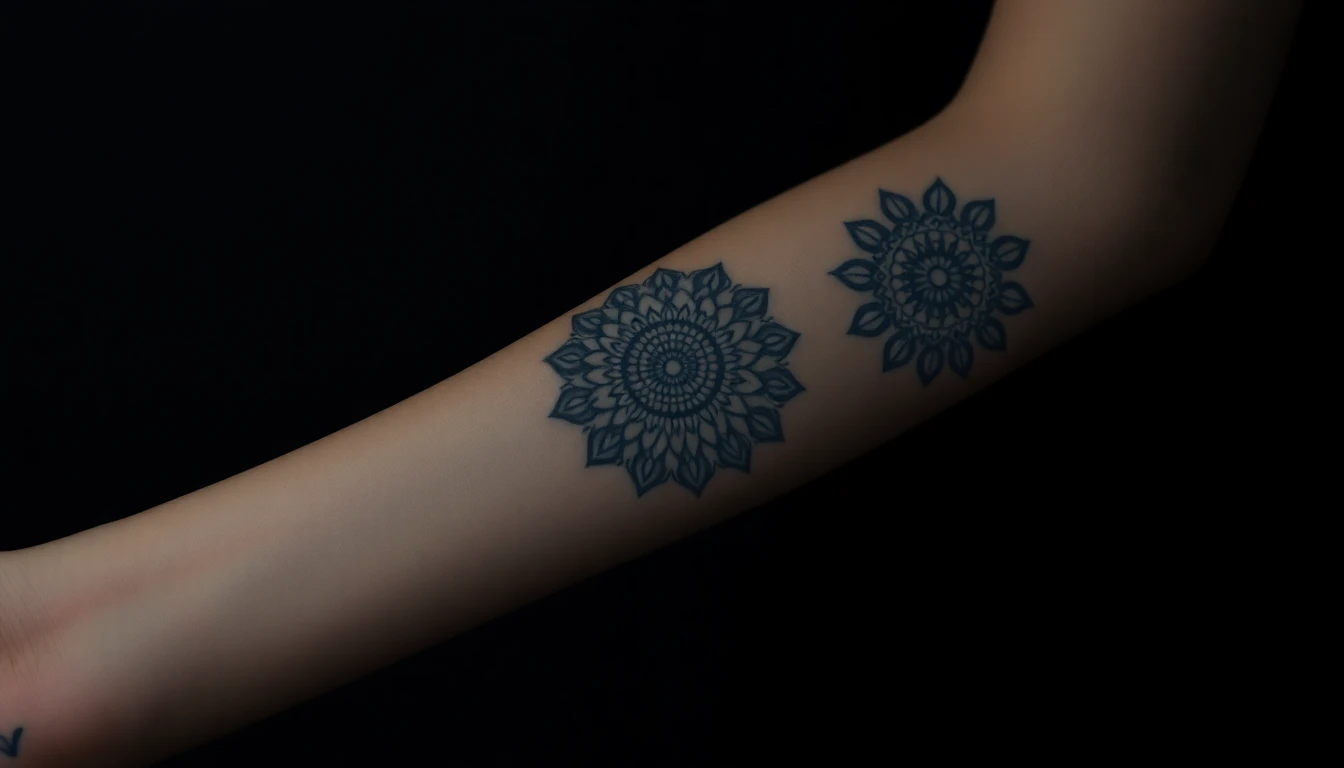
The body preview feature lets you:
- See how a design fits the contours of your body
- Test different placements before committing
- Adjust scale to find the perfect size
- Share realistic previews with friends or your tattoo artist
- Compare different design options in the same location
This technology has become invaluable for the tattoo planning process. What once required imagination or expensive consultations can now be visualized instantly on your smartphone.
An important point to remember: AI-generated designs are starting points, not final tattoo stencils. A skilled tattoo artist will take your AI design and adapt it for your skin, making adjustments for placement, anatomy, and technical tattooing requirements.
When bringing an AI design to your tattoo artist, communicate that you're open to their professional input. They may suggest simplifying certain elements, adjusting proportions, or modifying details that won't translate well to actual tattoo work. This collaboration between AI generation and human expertise produces the best final results.
The ai tattoo generator doesn't replace tattoo artists — it enhances the collaboration between you and your artist. The art of tattooing has evolved for thousands of years, and AI is simply the latest tool to help people express themselves through ink. You arrive at your consultation with a clear vision and visual reference, making the communication process smoother and more productive.
Ready to explore what AI can create for your next tattoo? The technology has matured to the point where anyone can generate professional-quality designs in minutes. Whether you're in the early inspiration phase or ready to finalize your concept, AI tattoo generation offers a powerful tool for bringing your vision to life.
Start with a clear idea of what you want, experiment with different prompts and styles, and don't be afraid to generate dozens of variations. The perfect design is often just one more iteration away.
Ready to Design Your Tattoo?
Turn your ideas into custom tattoo artwork in seconds. Free to try on iOS and Android.


Written by
INK Editorial
Turn this idea into ink
Generate unique tattoo designs, preview placements, and export in HD. No guesswork — just better concepts.
Start designing freeMore reads
All articles
The Best AI Tattoo Apps in 2025 (Honest Comparison)
We tested all the major AI tattoo generator apps and compared their features, quality, and pricing. Here's what we found.
Are Free AI Tattoo Generators Actually Good?
The truth about free AI tattoo tools - what you actually get, what the catch is, and whether paying makes sense.
How to Describe Your Tattoo Idea to AI (And Get Great Results)
Master the art of writing prompts that translate your vision into stunning AI-generated tattoo designs.