Japanese Tattoo Meanings: A Complete Guide to Irezumi Symbolism
Understand the rich symbolism and cultural significance behind traditional Japanese tattoo designs.
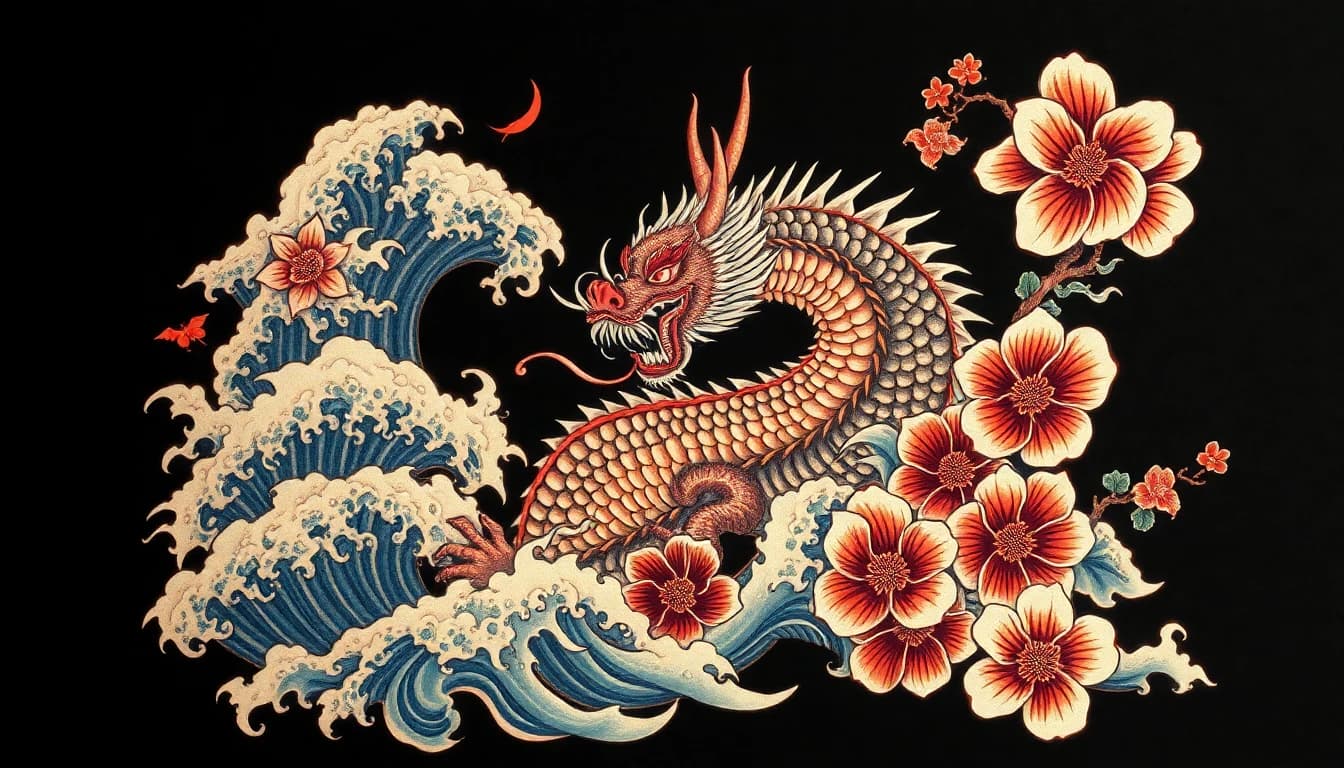
Japanese tattoos aren't just beautiful — they're a visual language developed over centuries. Every element carries meaning, from the smallest cherry blossom petal to the fierce dragon coiling around an arm. Understanding japanese tattoo meaning transforms these designs from pretty pictures into powerful personal statements.
Whether you're planning your first irezumi (the Japanese word for traditional tattooing) or adding to an existing collection, knowing the symbolism helps you choose designs that truly represent you. This guide breaks down the most popular Japanese tattoo motifs, their meanings, and the japanese tattoo rules that govern this ancient art form.
The History Behind Japanese Tattoos
Traditional Japanese tattooing, or irezumi meaning "inserting ink," has a complex history spanning thousands of years. While early tattoos served spiritual and tribal purposes, the art form we recognize today emerged during the Edo period (1603-1868).
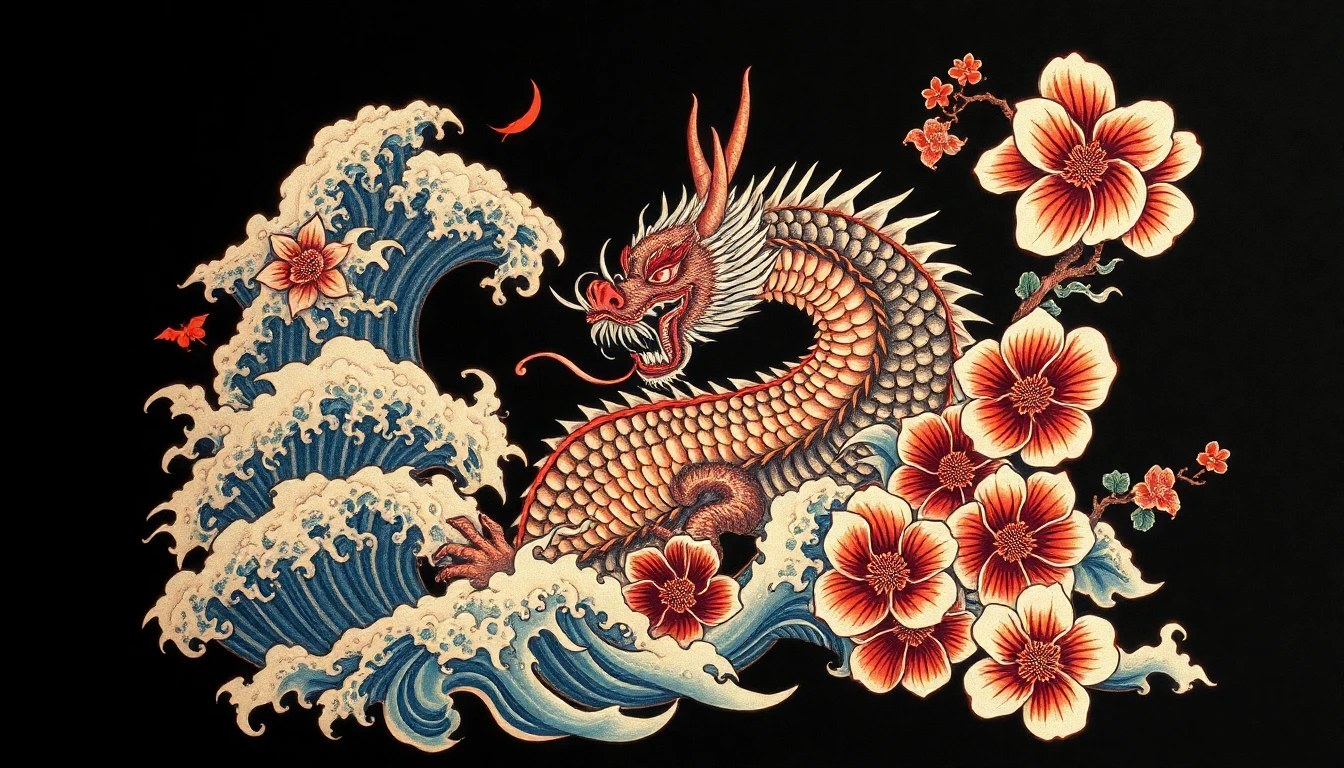
Woodblock printing artists began tattooing their designs onto human skin, creating the flowing, dramatic compositions we associate with Japanese tattoos. These weren't small pieces — traditional irezumi often covered the entire back, arms, and legs as interconnected works of art.
The cultural perception of tattoos in Japan has shifted throughout history. Today, while tattoos still carry some stigma in Japanese society, the artistic tradition continues through dedicated masters who apprentice for years to learn the craft.
Japanese Dragon Tattoos: Power and Wisdom
Unlike Western dragons associated with destruction and evil, japanese dragon tattoo designs represent beneficial forces. Japanese dragons are creatures of the water and sky, bringing rain for crops and embodying imperial power.
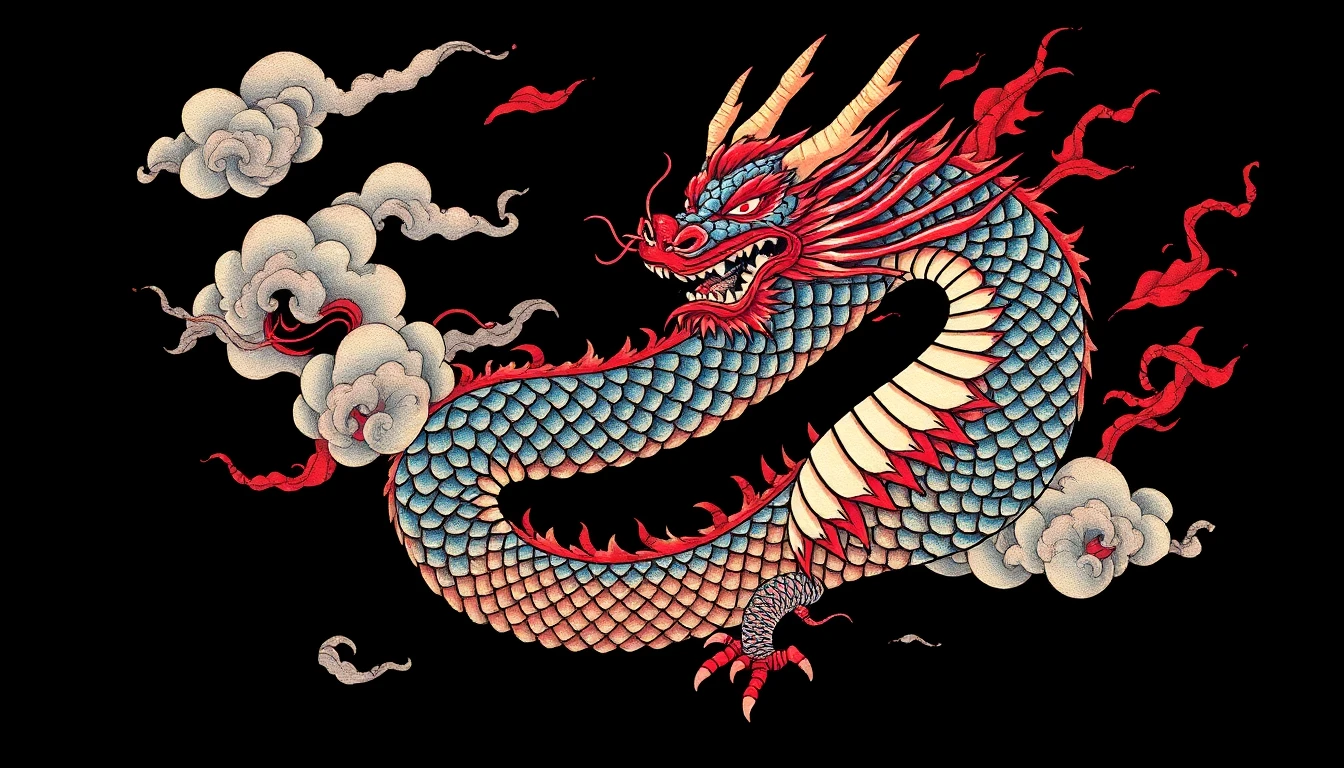
Japanese dragon symbolism includes:
- Wisdom and knowledge: Dragons are seen as enlightened beings
- Strength and power: Without the negative connotations of aggression
- Protection: Guardians against evil forces
- Good fortune: Bringers of luck and prosperity
- Imperial authority: Long associated with Japanese royalty
Dragon colors carry additional meaning. Black dragons represent wisdom gained through age, blue/green dragons connect to nature and health, gold dragons embody value and virtue, and red dragons represent passion and parental protection.
For sleeve tattoo planning, dragons work exceptionally well as they can coil around the entire arm, creating natural flow and movement.
Koi Fish Tattoos: Perseverance and Transformation
The koi fish tattoo meaning comes from an ancient legend: koi swimming upstream in the Yellow River must climb a waterfall called Dragon's Gate. The fish that succeed transform into dragons. This myth makes koi symbols of determination, perseverance, and achieving the impossible.
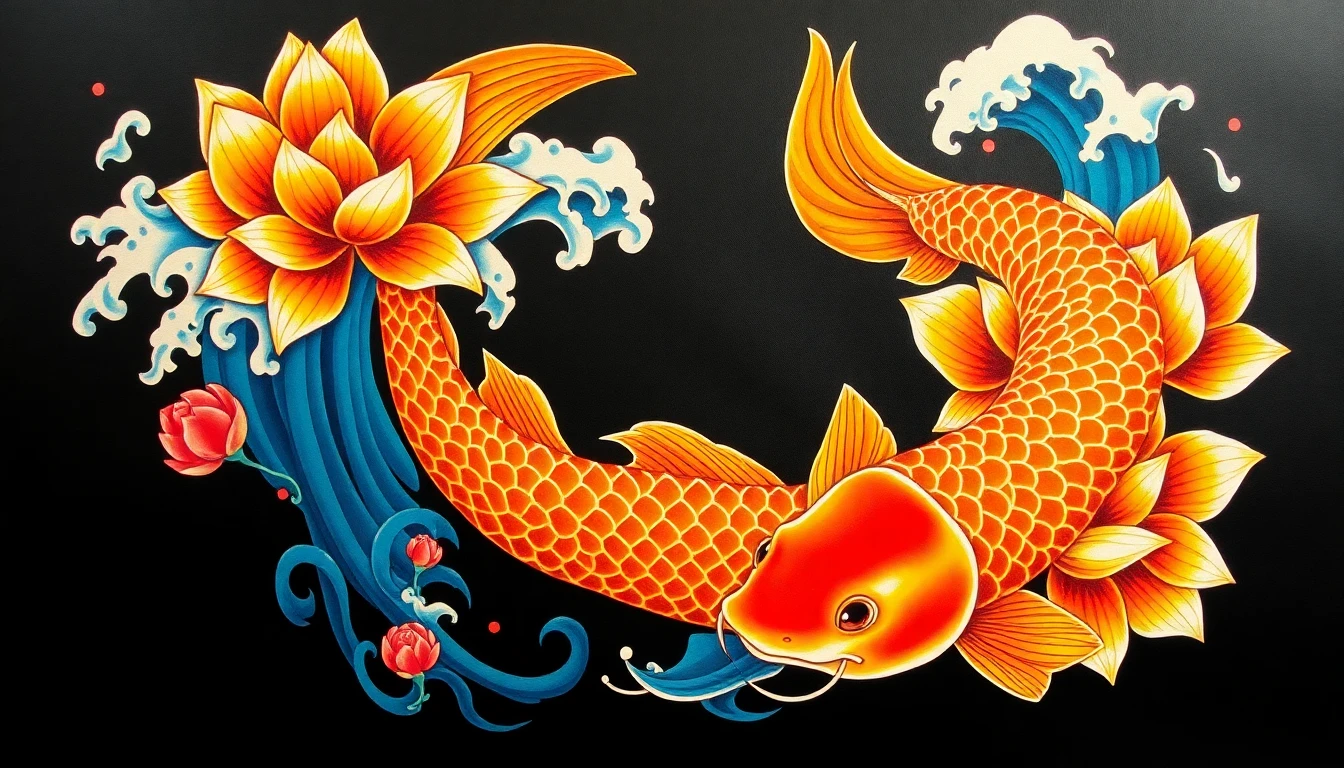
Koi direction matters in tattoo design:
- Swimming upstream: Currently struggling or fighting obstacles, representing courage and determination
- Swimming downstream: Having already overcome obstacles, or lacking the strength to fight against troubles
Koi colors and their meanings:
- Black koi: Overcoming adversity, often associated with fathers
- Red koi: Love, relationships, and bravery (often associated with mothers)
- Blue koi: Masculinity, reproduction, and calmness
- Gold koi: Prosperity and success in business
- White koi: Career success and advancement
Koi frequently appear with water elements like waves, lotus flowers, and dragons, creating rich compositions with layered symbolism.
Cherry Blossoms: Beauty in Impermanence
Cherry blossoms (sakura) are perhaps the most emotionally complex symbol in japanese tattoo symbolism. Their meaning centers on "mono no aware" — an awareness of impermanence and the bittersweet nature of life's fleeting beauty.
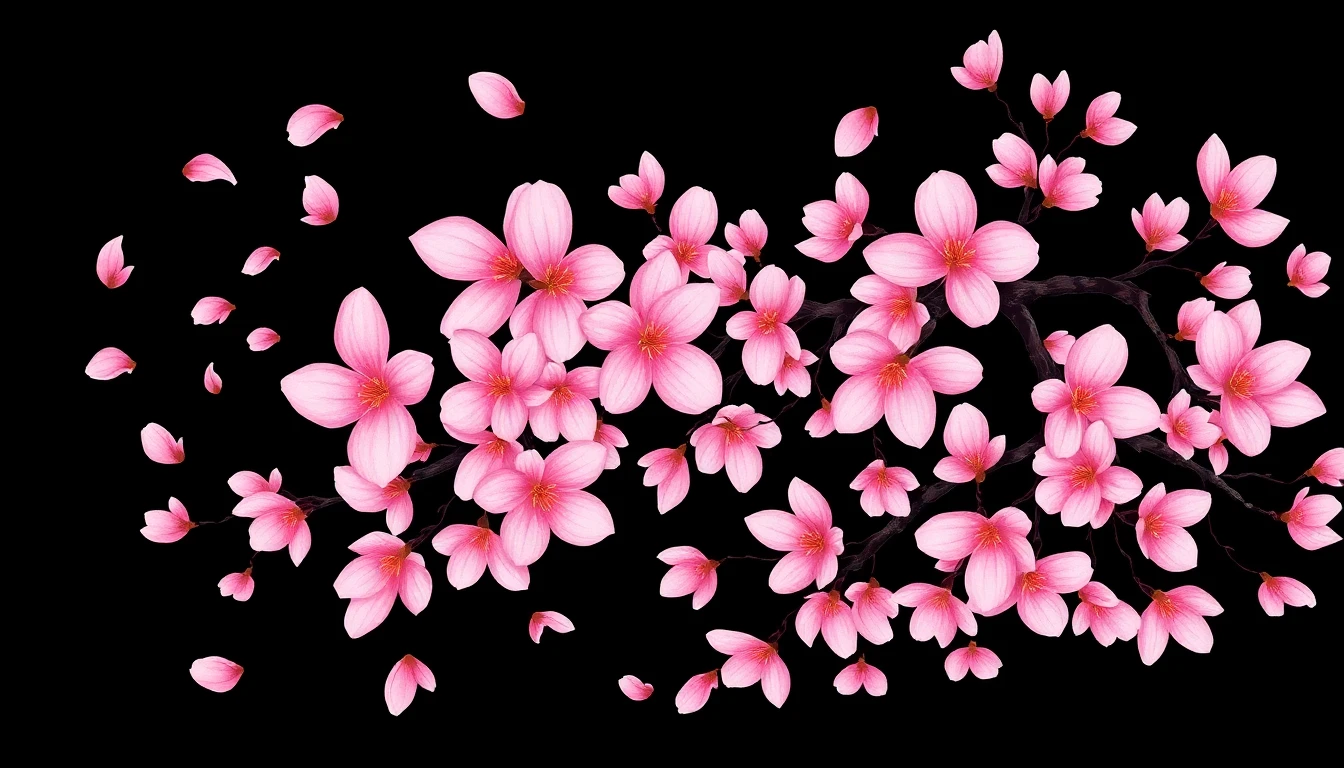
Cherry blossom symbolism encompasses:
- The fleeting nature of life: Blossoms fall at the height of their beauty
- Living in the present: Appreciating beauty while it lasts
- Renewal and new beginnings: Blooming marks spring's arrival
- Feminine beauty and strength: Delicate yet enduring
- Samurai virtue: Historically represented the brief, glorious life of warriors
In tattoo design, cherry blossoms often appear as background elements or accent pieces, their pink and white petals drifting across shoulders, arms, or backs. They pair beautifully with more dramatic subjects like dragons or tigers, providing balance and deeper meaning.
Tigers and Snakes: Courage and Protection
The tiger holds special status in Japanese tattooing despite not being native to Japan. It represents courage, strength, and the ability to ward off evil spirits. Tigers often appear opposite dragons in traditional compositions, representing earth versus sky, yin versus yang.
Tiger symbolism:
- Courage and fearlessness
- Protection against evil, disease, and bad luck
- Long life (tigers were believed to live 1,000 years)
- Autumn and the wind
Snake symbolism:
- Protection from illness and disaster
- Wisdom and good luck
- Regeneration (through shedding skin)
- Associated with Benzaiten, goddess of all that flows
Snakes in Japanese tattooing differ dramatically from Western associations with evil. They're protective creatures, often depicted coiled around peonies or other flowers.
Peonies, Lotus, and Other Nature Symbols
Peony (botan): Known as the "King of Flowers" in Japanese culture, peonies represent wealth, prosperity, and good fortune. They also symbolize bravery and honor — a samurai who died honorably was said to "scatter like peony petals." In tattoo compositions, peonies often accompany lions or dragons.
Lotus: Rising from muddy water to bloom in pristine beauty, the lotus represents spiritual awakening, purity, and enlightenment. Different lotus colors carry different Buddhist meanings, making this flower deeply significant in japanese tattoo meaning.
Chrysanthemum: The symbol of the Japanese Imperial family, chrysanthemums represent perfection, longevity, and rejuvenation. They're often the centerpiece of back pieces or the sole focus of elegant sleeve designs.
Maple leaves: Symbolizing the passing of time and the changing of seasons, maple leaves often appear in autumnal designs. They represent the beauty of life's cycles and the acceptance of change.
Mythological Creatures and Spirits
Japanese mythology provides rich material for tattoo symbolism:
Phoenix (hou-ou): Unlike the Western phoenix rising from ashes, the Japanese phoenix represents the imperial household, virtue, and the balance of yin and yang. It appears during times of peace and prosperity.
Foo dogs (komainu): These lion-dog guardians protect against evil. They typically appear in pairs — one with an open mouth (expressing), one with closed mouth (containing).
Oni (demons): These fearsome creatures serve as protectors and punishers of evil. Oni in Japanese folklore are complex figures, often used to ward off evil rather than represent it.
Tengu: Bird-like supernatural beings associated with martial arts and the mountains. Tengu tattoos often represent protection, strength, and the mastery of skills.
Understanding Japanese Tattoo Rules and Etiquette
Traditional japanese tattoo rules govern not just design elements but their placement and combination. Understanding these conventions helps create authentic, respectful irezumi:
Seasonal consistency: Elements in a composition should belong to the same season. Cherry blossoms (spring) shouldn't appear with maple leaves (autumn) in the same piece.
Complementary pairings: Certain elements traditionally appear together — dragons with clouds, tigers with bamboo, koi with water. These pairings create visual and symbolic harmony.
Background elements: Traditional Japanese tattoos include extensive background work — waves, clouds, wind bars, or rock formations that tie elements together and fill the composition.
Flow and direction: The design should flow with the body's natural contours. Elements often spiral around limbs rather than sitting flat, and the composition guides the eye through the piece.
Body suit considerations: Traditional irezumi was designed as body suits covering specific areas while leaving others bare (like the center of the chest and forearms). Modern adaptations may vary, but understanding this tradition helps plan cohesive large-scale work.
Explore different Japanese tattoo styles in our gallery to see how these rules apply across various designs.
Modern Takes on Japanese Tattooing
Contemporary artists often blend traditional irezumi meaning with modern techniques. You might see:
- Japanese motifs rendered in realistic or watercolor styles
- Traditional elements with contemporary subjects
- Smaller, standalone pieces that reference larger traditional compositions
- Black and gray interpretations of traditionally colorful designs
These modern approaches can be respectful and beautiful when executed with understanding of the original symbolism. An AI tattoo generator can help you explore how traditional Japanese elements might work in different styles before consulting with an artist.
Choosing Meaningful Japanese Tattoo Designs
With this understanding of japanese tattoo symbolism, you can select elements that genuinely represent your personal journey:
Questions to consider:
- What challenges have you overcome? (Koi swimming upstream)
- What protection or strength do you seek? (Dragons, tigers)
- What transformation are you undergoing? (Phoenix, lotus)
- What values do you want to embody? (Each element carries virtue)
- What beauty do you want to honor? (Seasonal flowers, nature elements)
The best Japanese tattoos combine personal meaning with artistic tradition. Whether you choose a small cherry blossom or plan a full back piece with dragons and koi, understanding the symbolism ensures your tattoo communicates exactly what you intend — in a visual language developed over centuries of artistic mastery.
Explore Japanese Tattoo Designs
Generate dragons, koi, cherry blossoms, and more. See how traditional symbolism comes to life in AI-generated designs.


Written by
INK Editorial
Turn this idea into ink
Generate unique tattoo designs, preview placements, and export in HD. No guesswork — just better concepts.
Start designing freeMore reads
All articles
Are Free AI Tattoo Generators Actually Good?
The truth about free AI tattoo tools - what you actually get, what the catch is, and whether paying makes sense.
How to Describe Your Tattoo Idea to AI (And Get Great Results)
Master the art of writing prompts that translate your vision into stunning AI-generated tattoo designs.

Turn Your Photos Into Tattoo Designs
Learn how to transform your favorite photos into beautiful, ink-ready tattoo artwork using AI technology.