How Tattoos Are Made: The Complete Process From Start to Finish
Everything you need to know about the tattooing process, from how machines work to what happens under your skin.
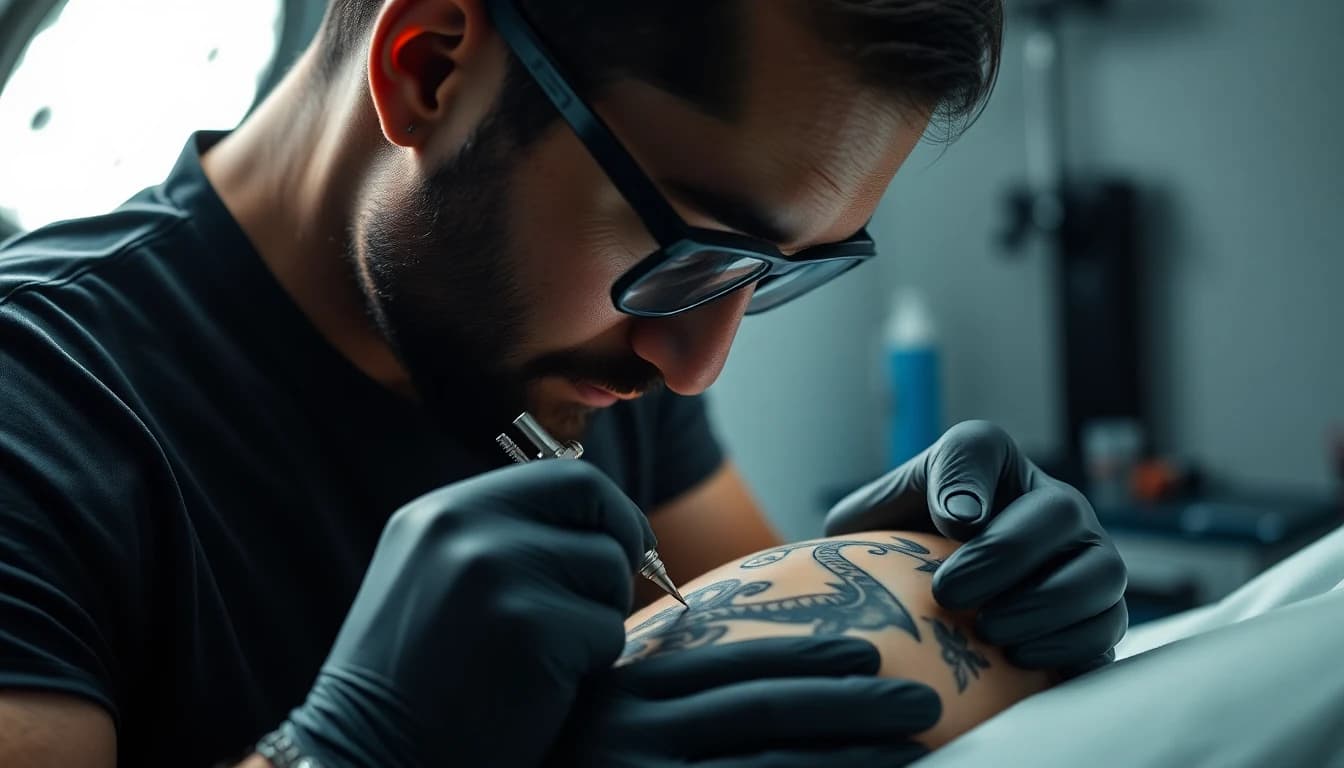
You've seen tattoos, admired them, maybe even have a few yourself. But have you ever wondered exactly how tattoos are made? Understanding the tattooing process — from the science of how ink stays in your skin to the artistry of different techniques — helps you appreciate the craft and prepares you for what to expect in the chair.
This guide breaks down how tattoos are done, from the equipment involved to the healing process that transforms fresh ink into permanent art.
The Science: How Ink Stays in Your Skin
A tattoo is essentially ink deposited into the dermis — the layer of skin just below the epidermis (outer skin). Here's why this matters:
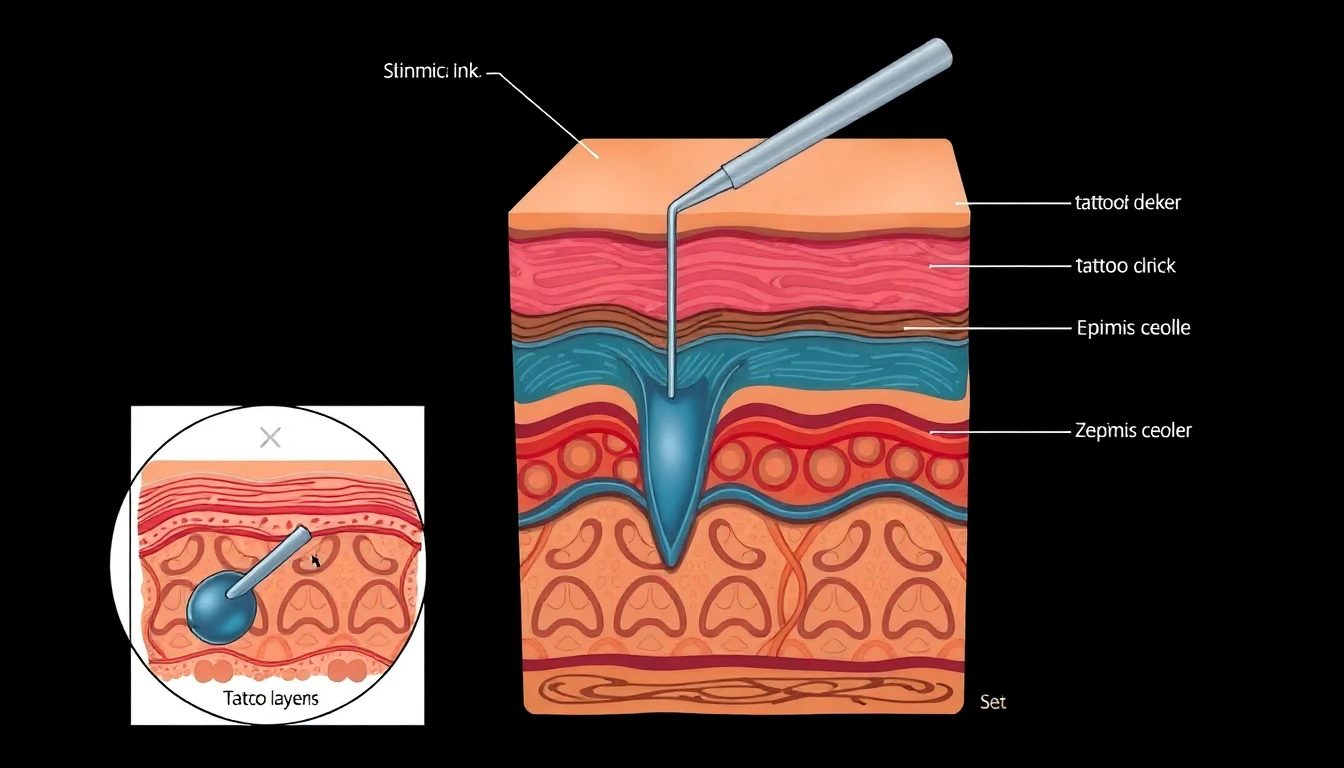
Why the dermis? The epidermis constantly sheds and regenerates — if ink stayed there, your tattoo would disappear within weeks. The dermis is stable, so ink particles deposited there remain visible through the translucent epidermis above.
What happens at the cellular level:
- The needle punctures through the epidermis into the dermis
- Ink particles are deposited in the wound
- Your immune system sends cells called macrophages to "eat" the foreign particles
- Many macrophages become trapped with the ink and remain in the dermis
- Some ink particles are too large for macrophages to absorb and stay in place
- The wound heals, trapping the ink permanently
According to dermatological research, this immune response is actually what makes tattoos permanent — the ink gets locked in place by your body's healing process.
Tattoo Equipment: What Artists Use
Modern tattooing uses sophisticated equipment that has evolved dramatically from its traditional roots.
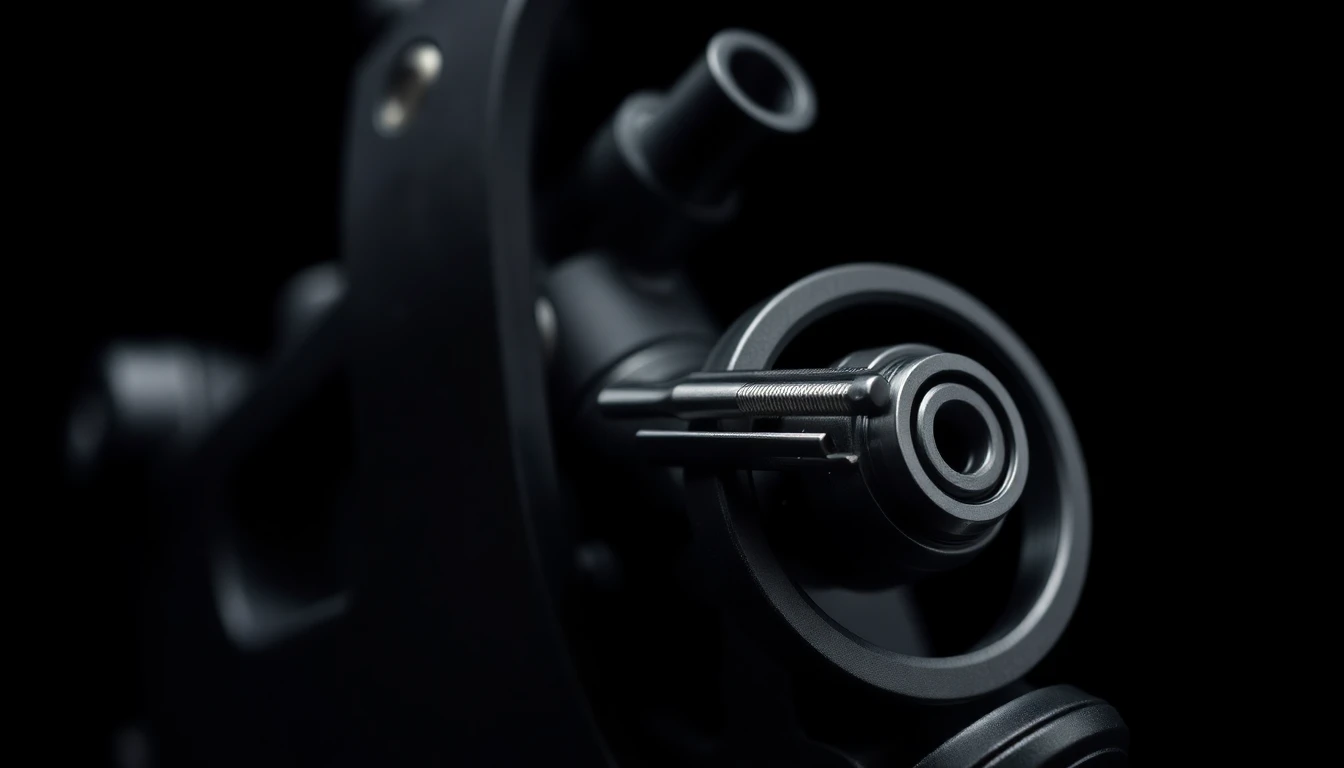
Tattoo Machines
Coil machines (traditional):
- Use electromagnetic coils to move the needle
- Distinctive buzzing sound
- Heavier, requires more skill to operate
- Still preferred by many traditional artists
- Can be tuned for different applications (lining vs shading)
Rotary machines (modern):
- Use a motor to drive the needle
- Quieter operation
- Lighter weight, less hand fatigue
- Consistent needle depth
- Popular for all styles, especially detailed work
Pen-style machines (newest):
- Ergonomic design like a writing pen
- Use cartridge needles for easy switching
- Very quiet and lightweight
- Increasingly popular in modern studios
Needles and Configurations
Tattoo needles aren't single needles — they're groups of needles soldered together in specific configurations:
Round Liners (RL): Needles arranged in a circle, used for lines and details. Fewer needles (3RL) for fine lines, more (9RL) for bolder lines.
Round Shaders (RS): Similar to liners but needles are more loosely grouped, allowing ink to spread for shading.
Magnums (M1, M2): Flat or stacked configurations for filling large areas and smooth shading. Essential for color work and larger pieces.
Curved Magnums (RM): Curved needle arrangement that moves more smoothly across skin, reducing trauma for color packing.
Tattoo Ink
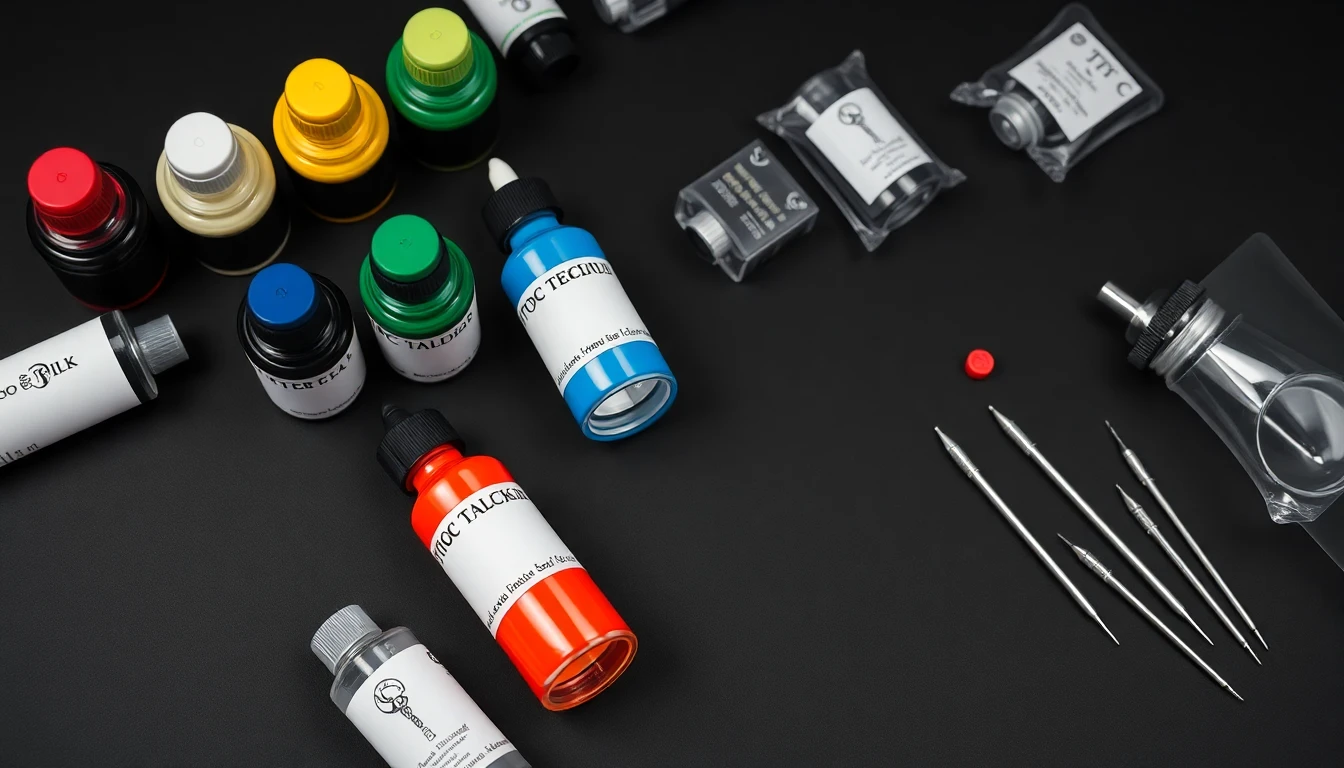
What is tattoo ink actually made of? Modern tattoo inks contain:
- Pigments: Provide the color — can be organic (carbon-based) or inorganic (metal-based)
- Carriers: Liquid that holds pigments in suspension — usually purified water, ethyl alcohol, or glycerin
- Additives: Preservatives and binding agents for consistency
Black ink typically uses carbon or iron oxide. Colored inks use various organic and inorganic compounds. Quality matters — professional artists use reputable ink brands that are tested for safety and color longevity.
The Tattooing Process Step by Step
Here's exactly how tattoos are done in a professional studio:
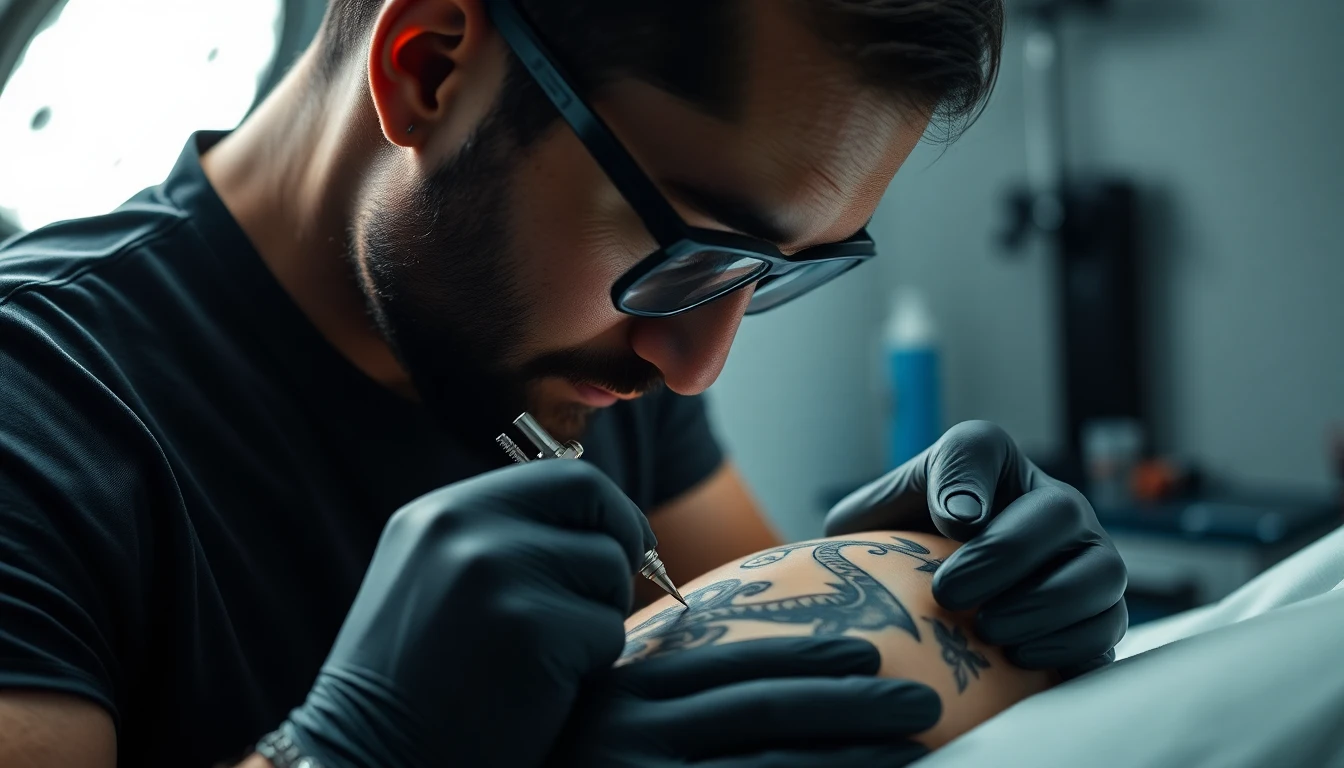
1. Design Preparation
Before any ink touches skin:
- Design finalization: The artist creates or refines your design
- Size and placement: Design is sized appropriately for the body location
- Stencil creation: The design is transferred to thermal paper or drawn freehand
Many people now use AI tattoo generators to explore design ideas before their consultation, arriving with clear references for their artist.
2. Skin Preparation
- Shaving: Any hair in the tattoo area is removed
- Cleaning: The area is thoroughly cleaned with antiseptic
- Stencil application: The design is transferred to your skin using stencil solution
- Positioning check: You approve the placement before tattooing begins
3. Outlining (Lining)
The outline is typically done first:
- Artist uses liner needles (small round configurations)
- Creates the structural foundation of the design
- Usually the most painful part (thin needles, precise movements)
- Black ink is standard for outlines
4. Shading
After the outline sets:
- Larger needle configurations for gradient effects
- Creates depth and dimension
- Typically less painful than lining
- Artist may use various techniques (whip shading, stippling, etc.)
5. Color Packing (if applicable)
For color tattoos:
- Magnum needles fill areas with solid color
- Multiple passes may be needed for saturation
- Colors are typically applied light to dark
- Artist cleans area frequently to see progress
6. Finishing and Aftercare
- Final cleaning of the tattoo
- Application of healing ointment
- Bandaging for protection
- Aftercare instructions provided
Different Tattooing Techniques
The tattoo process varies based on style and technique:
Traditional/American Traditional:
- Bold black outlines
- Limited color palette
- Solid color fills, minimal shading
- Clear, defined shapes
Realism:
- Minimal or no black outlines
- Complex shading creates photographic effect
- Requires excellent light-to-dark gradients
- Multiple sessions often needed
Dotwork:
- Patterns created entirely from dots
- Can be done by machine or traditional hand-poke
- Creates unique textures and gradients
- Often used for geometric and mandala designs
Watercolor:
- Mimics watercolor painting effects
- Soft edges and color bleeds
- May or may not have outline
- Requires skilled color application
Explore different tattoo styles to see how these techniques create different aesthetics.
What Does Getting a Tattoo Feel Like?
The sensation of getting a tattoo is often described as:
- Cat scratch: The most common comparison — a scratching or dragging sensation
- Hot scratch: Like a scratch with a warming or burning element
- Vibration: A buzzing, vibrating feeling especially on bony areas
- Poking: More noticeable with certain techniques like dotwork
Pain levels vary by:
- Body location: See our placement guide for pain levels by area
- Individual tolerance: Everyone experiences pain differently
- Session length: Sensitivity increases over time
- Technique: Lining typically hurts more than shading
The Healing Process
Understanding how your tattoo heals is part of understanding how tattoos are made:
Days 1-3 (Open wound stage):
- Tattoo oozes plasma, ink, and blood
- Area is red, swollen, and sensitive
- Keep bandage on as directed (varies by artist)
- Begin gentle washing and moisturizing
Days 4-14 (Peeling stage):
- Skin begins flaking and peeling
- DO NOT pick or scratch
- Colors may look dull — this is normal
- Itching is common
Weeks 2-4 (Settling stage):
- Surface appears healed
- Deeper layers still healing
- Colors continue to settle
- Moisturize regularly
Months 2-3 (Full healing):
- All skin layers fully healed
- True color and clarity visible
- Can fully assess final results
For detailed care instructions, see our complete aftercare guide.
Safety and Hygiene Standards
Professional tattoo studios follow strict hygiene protocols according to CDC guidelines for body art:
What you should see:
- Licensed, inspected studio with visible permits
- Single-use, sterile needles opened in front of you
- Artist wearing fresh gloves
- Sterile workstation covered with barrier film
- Autoclaved (sterilized) reusable equipment
- Individual ink poured into single-use caps
- Clean, organized studio environment
Red flags to avoid:
- Dirty or cluttered workspace
- Artist not wearing gloves
- Needles not opened from sterile packaging
- Shared ink bottles between clients
- No autoclave or sterilization equipment visible
- No license or health inspection certificate
How to Prepare for Your Session
Maximize your tattoo experience:
Before your appointment:
- Get good sleep the night before
- Eat a substantial meal 1-2 hours before
- Stay hydrated
- Avoid alcohol for 24 hours (thins blood)
- Avoid excessive caffeine
- Wear comfortable, appropriate clothing
During your session:
- Communicate with your artist about pain levels
- Take breaks if needed
- Breathe steadily — holding breath increases tension
- Bring entertainment (music, podcast) for long sessions
- Stay still when the machine is on your skin
Understanding how tattoos are made helps you appreciate the artistry, prepare for the experience, and care for your new ink properly. From the science of ink in your dermis to the skill of the artist wielding the machine, tattooing is a fascinating blend of art and biology that results in permanent, personal expression.
Design Your Next Tattoo
Now that you know how the process works, create your perfect design with AI before your appointment.


Written by
INK Editorial
Turn this idea into ink
Generate unique tattoo designs, preview placements, and export in HD. No guesswork — just better concepts.
Start designing freeMore reads
All articles
How AI Tattoo Generators Actually Work (And How to Use Them)
Everything you need to know about using AI to design your next tattoo - from text prompts to photo uploads to trying designs on your body.
The Best AI Tattoo Apps in 2025 (Honest Comparison)
We tested all the major AI tattoo generator apps and compared their features, quality, and pricing. Here's what we found.
Are Free AI Tattoo Generators Actually Good?
The truth about free AI tattoo tools - what you actually get, what the catch is, and whether paying makes sense.