Tattoo Aftercare 101: What to Expect While Healing
Everything you need to know about healing your new tattoo properly, from day one through full recovery.
You just got inked. The design looks amazing. Now comes the part nobody talks about enough: the healing process. Good tattoo aftercare is the difference between a tattoo that looks vibrant for decades and one that fades, blurs, or develops problems.
This guide covers everything from when does tattoo start itching (spoiler: sooner than you'd like) to dealing with tattoo flu and ensuring your new ink heals perfectly. Consider this your complete manual for new tattoo care.
The First 24 Hours: Critical Care
Your artist will cover your fresh tattoo with either a bandage, plastic wrap, or a specialized second-skin product like Saniderm. Each requires different handling.
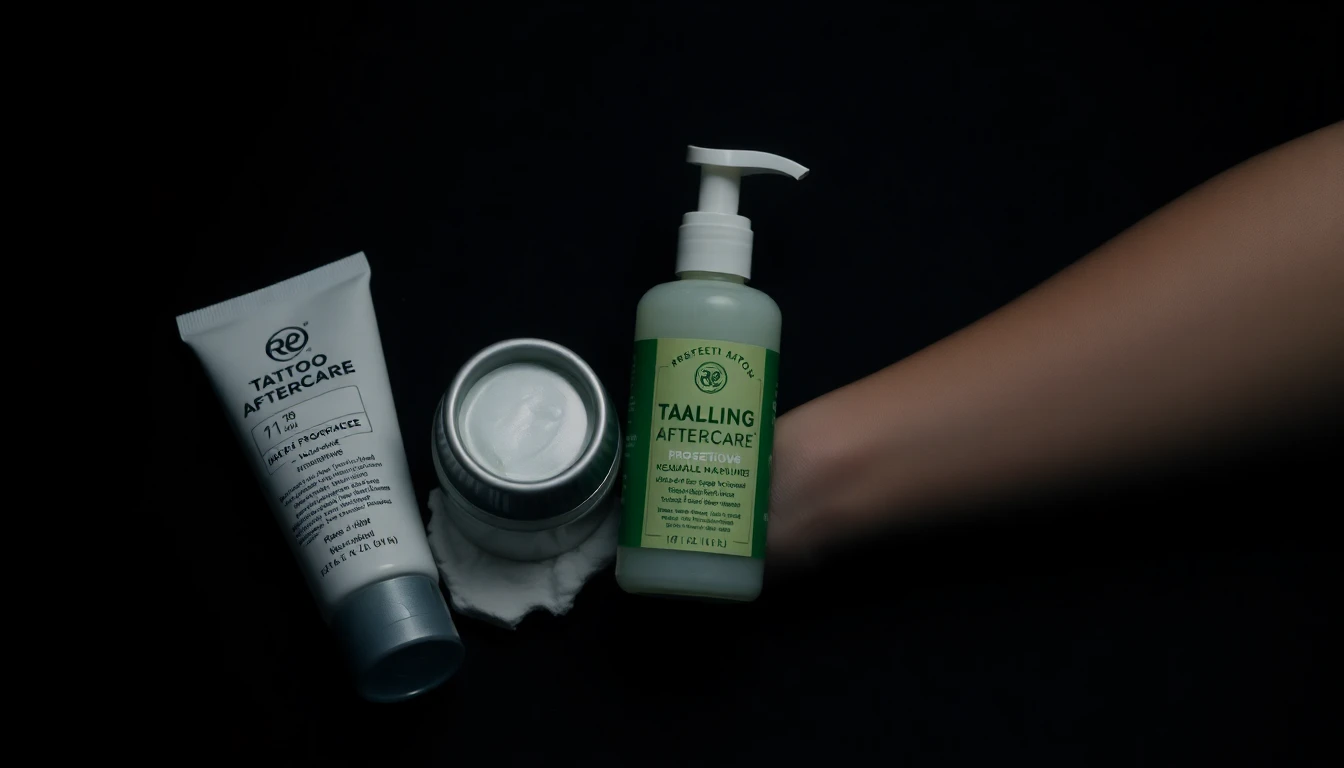
Traditional bandage/wrap: Remove after 2-4 hours (follow your artist's specific instructions). Wash gently with lukewarm water and fragrance-free soap. Pat dry — never rub. Apply a thin layer of recommended ointment.
Second-skin products (Saniderm, Tegaderm): These can stay on for 24 hours to several days. They create a sealed healing environment. If fluid builds up excessively or the edges peel, remove and switch to traditional aftercare.
In these first hours, your tattoo is essentially an open wound. The American Academy of Dermatology recommends treating it with the same care you'd give any wound: keep it clean, keep it protected, keep it moisturized.
The Complete Healing Timeline
Understanding the stages of tattoo healing helps you know what's normal and what might need attention.
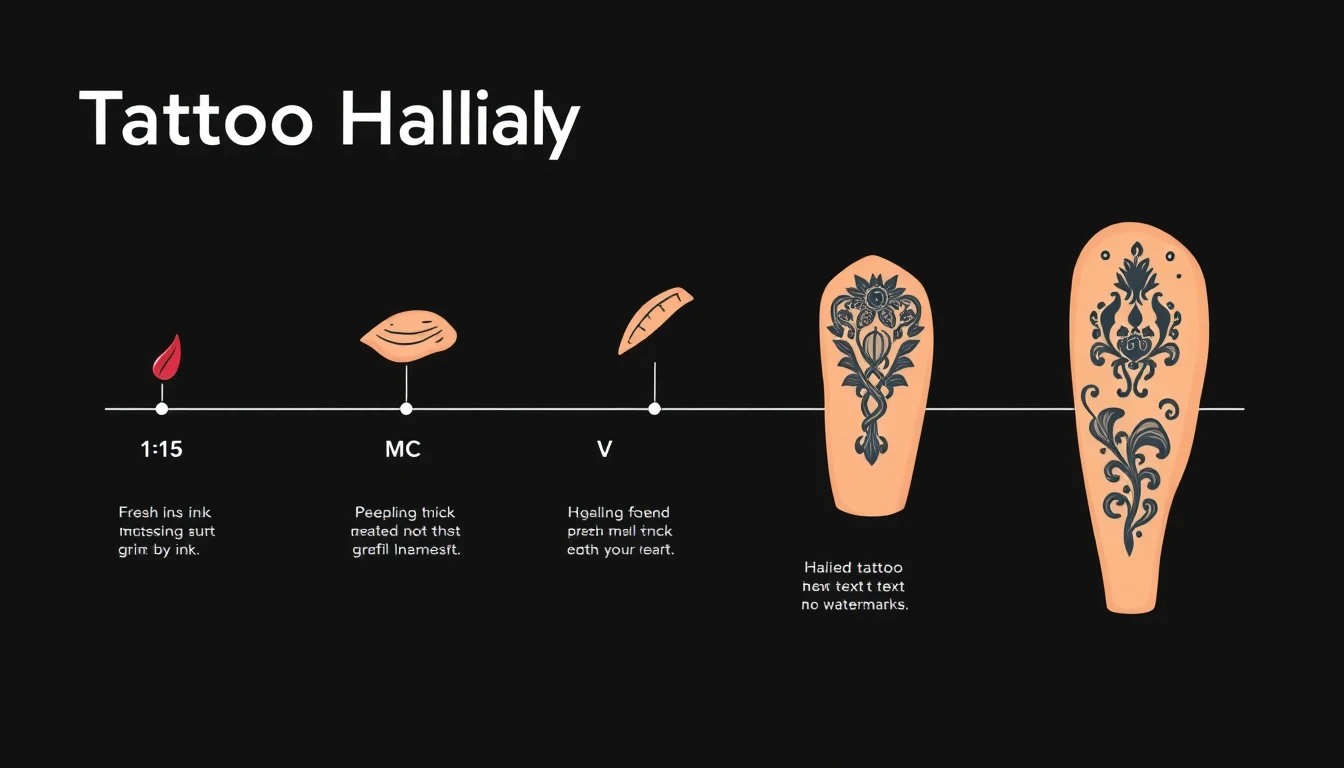
Days 1-3: The oozing stage. Your tattoo will weep plasma, excess ink, and blood. This is normal. It might look wet or shiny. Wash 2-3 times daily, apply thin layers of ointment. Keep it out of direct sunlight and don't submerge it in water.
Days 4-7: The tight, dry stage. The tattoo starts to dry out and may feel tight or uncomfortable. Itching often begins here. Switch from ointment to fragrance-free lotion to keep skin hydrated without over-moisturizing.
Days 7-14: The peeling stage. Your tattoo will peel like a sunburn. This is completely normal — it's your skin regenerating. DO NOT pick or scratch the peeling skin. Let it fall off naturally. The healing process explained by Healthline shows why patience is critical here.
Days 14-30: The final healing. Surface healing completes, but deeper skin layers are still recovering. Your tattoo might look slightly cloudy or milky — this is normal and will clear. Continue moisturizing and sun protection.
Months 1-3: Full recovery. Deep tissue healing completes. Your tattoo settles into its final appearance. Colors may shift slightly as they mature.
When Does Tattoo Start Itching (And How to Handle It)
The million-dollar question: when does tattoo start itching? For most people, itching kicks in around days 3-7, peaking during the peeling phase.
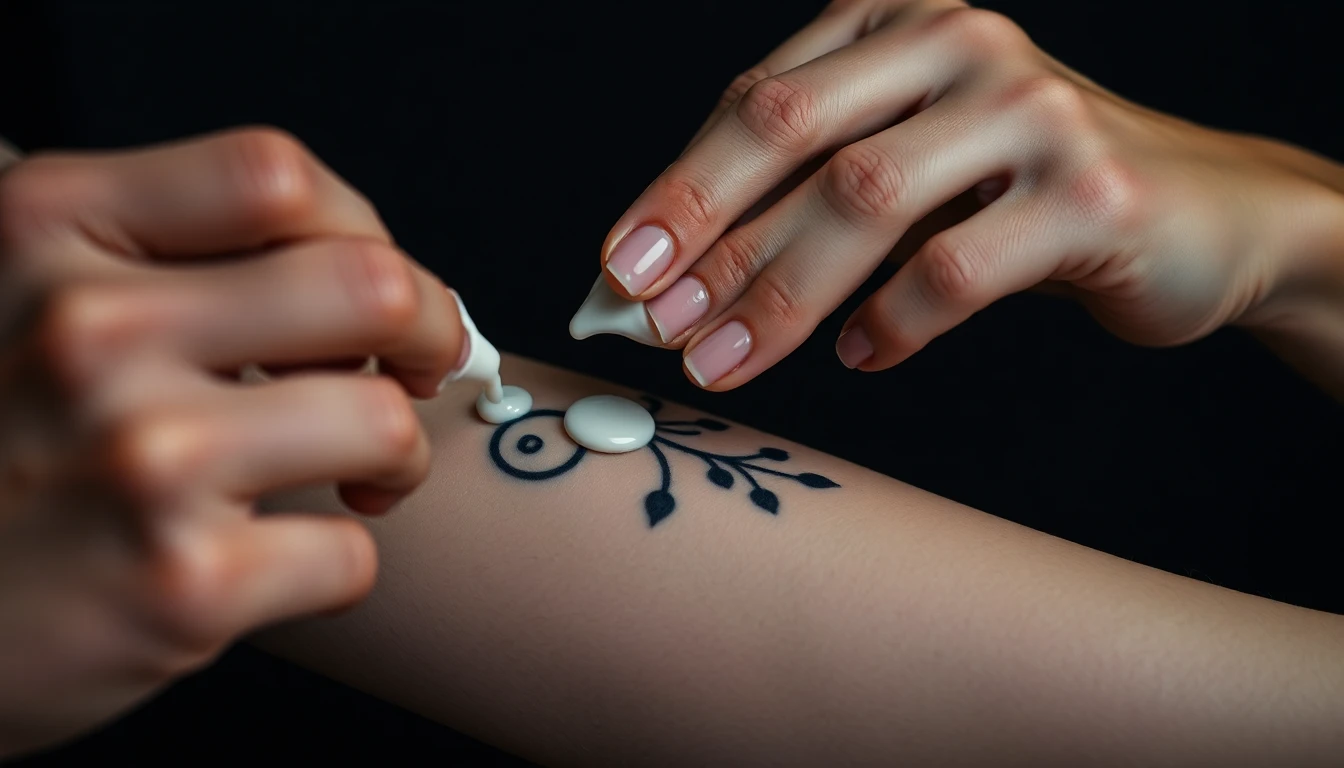
Why tattoos itch: Your skin is regenerating. New skin cells form beneath the tattooed layer. This process triggers nerve endings, causing that maddening itch. It's actually a sign of healthy healing.
How to manage the itch:
- Moisturize regularly. Dry skin itches more. Keep it hydrated with fragrance-free lotion.
- Pat, don't scratch. If you must do something, gently pat the area through a clean cloth.
- Cool compress. A clean, cool (not cold) cloth can provide temporary relief.
- Distraction. Seriously — find something else to focus on. The itch is temporary.
- Stay hydrated. Drinking water helps your skin heal and reduces itching.
What NOT to do: Never scratch your healing tattoo. Scratching can pull out ink, introduce bacteria, cause scarring, and ruin weeks of careful healing. If the itch is unbearable, the cool compress method is your friend.
What Is Tattoo Flu?
Tattoo flu is real, and it catches a lot of first-timers off guard. Within 24-48 hours of getting tattooed, some people experience flu-like symptoms: fatigue, body aches, mild fever, chills, or general malaise.

What is tattoo flu really? It's your immune system responding to the trauma of tattooing. Getting a tattoo involves thousands of needle punctures, introduction of foreign substances (ink), and significant skin damage. Your body mobilizes an immune response, which can manifest as these flu-like symptoms.
Who gets tattoo flu? It's more common with:
- Larger tattoos (more trauma = bigger immune response)
- Longer sessions
- First tattoos (your body hasn't encountered this before)
- Already compromised immune systems
- Tattoos in sensitive areas
How to handle it:
- Rest — your body is working hard
- Stay hydrated
- Eat nutritious foods
- Avoid alcohol and strenuous activity
- Take over-the-counter pain relievers if needed (avoid blood thinners like aspirin)
Tattoo flu typically resolves within 24-48 hours. If symptoms persist beyond 72 hours or worsen significantly, consult a healthcare provider — this could indicate an actual infection rather than immune response.
What to Avoid During Healing
Proper tattoo aftercare is as much about what you DON'T do as what you do:
No submerging in water. No pools, hot tubs, baths, lakes, or oceans for at least 2-3 weeks. Quick showers are fine — prolonged soaking is not. Water exposure can cause infection, ink loss, and slow healing.
No direct sunlight. UV rays are the enemy of healing tattoos. Keep it covered or indoors. Once healed, always use sunscreen on your tattoo to prevent fading.
No scratching or picking. We've said it, but it bears repeating. Leave the peeling skin alone.
No tight clothing. Friction irritates healing tattoos. Wear loose, breathable fabrics over the area.
No excessive exercise. Heavy sweating and stretching can irritate the tattoo and introduce bacteria. Light activity is fine; intense workouts should wait a week or two.
No alcohol for 24-48 hours. Alcohol thins blood and can increase bleeding and slow healing.
No over-moisturizing. A thin layer of lotion is good. Thick globs prevent the skin from breathing and can cause issues. Less is more.
Signs Something's Wrong
Most tattoos heal without problems. But know the warning signs:
Signs of infection:
- Increasing pain after the first few days (pain should decrease, not increase)
- Spreading redness beyond the tattoo area
- Pus (yellow or green discharge) — clear fluid is normal, colored pus is not
- Fever over 100°F that lasts more than 24 hours
- Red streaks emanating from the tattoo
- Swelling that increases after the first day
Allergic reaction signs:
- Severe itching that doesn't respond to moisturizing
- Raised, bumpy skin
- Hives around the tattoo
- Blistering
If you experience any of these, contact your tattoo artist first (they've seen it all) and/or seek medical attention. Don't wait and hope it gets better — infections can spread quickly.
Long-Term Care for Your Tattoo
Once your tattoo is healed, the work isn't over. Long-term care keeps your ink looking fresh for years:
Sunscreen is non-negotiable. UV exposure fades tattoos faster than anything else. SPF 30+ on your tattoo whenever it's exposed to sun.
Keep skin moisturized. Healthy, hydrated skin shows off tattoos better. Make moisturizing a habit.
Watch for fading. Some fading is normal over years. If certain areas fade faster, touch-ups can restore them.
Stay healthy. Your skin is an organ. What you eat, how you hydrate, and how you care for your body affects how your tattoos look.
Great tattoo healing starts before you even get inked — by knowing what to expect and having a plan. Now that you understand the process, you're ready for anything your new tattoo throws at you. For your next piece, preview designs before committing and budget appropriately. Then plan your next tattoo with confidence.
Plan Your Next Tattoo
Now that you know how to care for ink, design your next piece with AI.


Written by
INK Editorial
Turn this idea into ink
Generate unique tattoo designs, preview placements, and export in HD. No guesswork — just better concepts.
Start designing freeMore reads
All articles
Are Free AI Tattoo Generators Actually Good?
The truth about free AI tattoo tools - what you actually get, what the catch is, and whether paying makes sense.

How to Describe Your Tattoo Idea to AI (And Get Great Results)
Master the art of writing prompts that translate your vision into stunning AI-generated tattoo designs.

Turn Your Photos Into Tattoo Designs
Learn how to transform your favorite photos into beautiful, ink-ready tattoo artwork using AI technology.